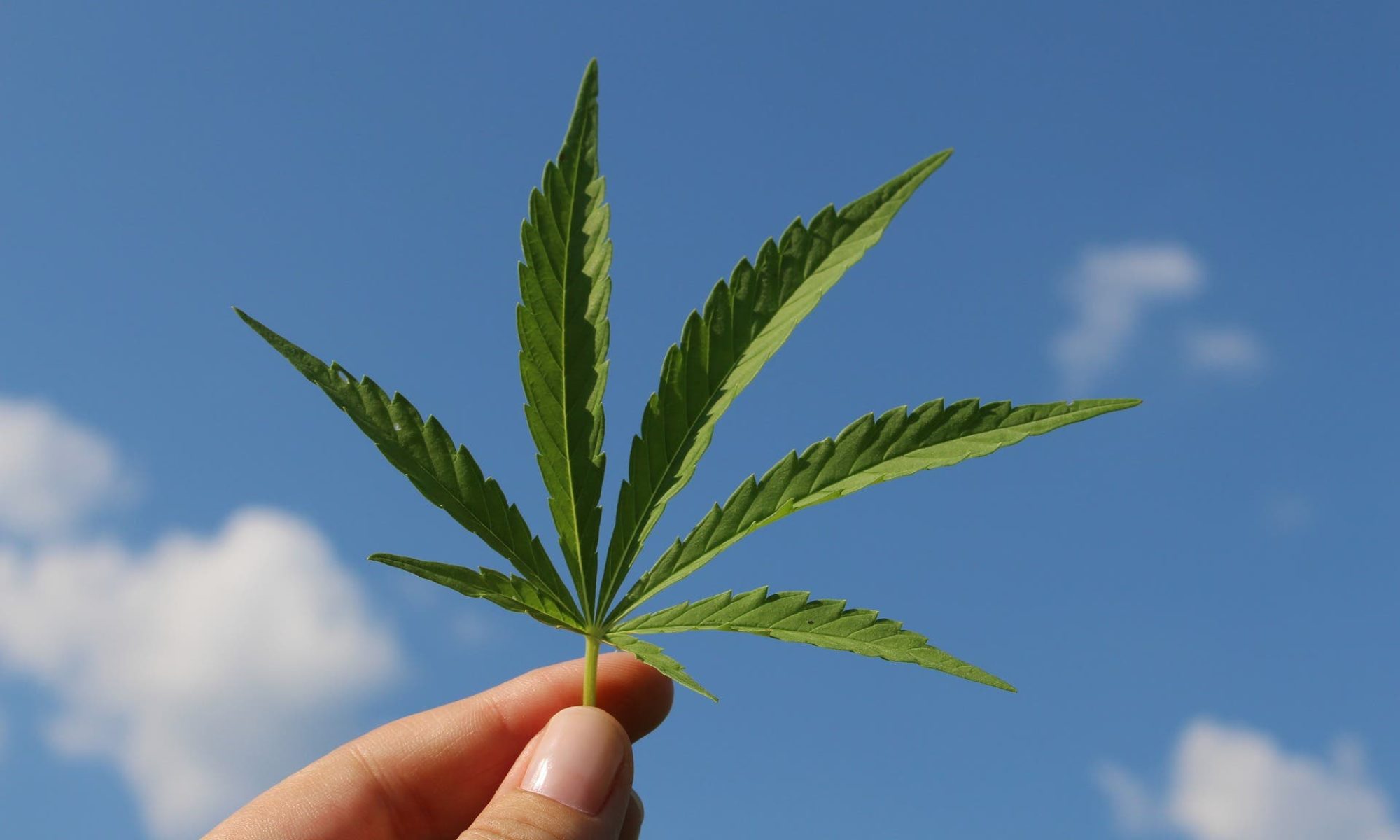

Regular cannabis seeds are just as nature intended, a mixture of male and female with each of them having no dominant trait. While other autoflowering and feminized seeds came with their own special qualities, these are all part of the same species, cannabis sativa, which is nature’s little genius. When these plants grow in the soil, they create seeds that contain the specific traits they possess. The marijuana plant produces what it needs to live, grow and reproduce; it does not need any fertilizer or pesticides. In short, it is self sufficient.
In order for regular cannabis seeds to be successful, they must have the right conditions in which to germinate and grow. Some seeds may germinate easier than others due to their higher rate of growth, while others may require more care from their mothers. This is true of the Indica versus the Sativa type. It is the females that are easier to cultivate, but are often discarded during the flowering process because they produce the highest quantity of smoke.
Many experienced breeders and growers choose to seeds over regular cannabis seeds because they produce a greater amount of smoke per unit of plant. This is because autoflowering seeds spend more time in the air, therefore increasing their metabolic rate and emitting more carbon dioxide, which makes the plant grow more quickly. However, because these plants have shorter life spans, it is important that they are only sowed on a limited basis. This minimizes both the risks and rewards to the grower.
There are two main types of cannabis plants that can be used for breeding. These are female and male. Female plants are considered feminized while males are considered autoflowering (hence the name). Autoflowering seeds have a longer lifespan than regular seeds, so they must be sown on a much larger basis than regular cannabis seeds, thus resulting in greater profits.
Most professional breeders choose the more commonly-grown varieties over regular cannabis seeds because they are easier to cultivate and are less prone to disease. Because females are usually easier to cultivate than males, female breeders have an edge when it comes to successful production. In some cases, female strains can outnumber the male strains creating a greater value for the buyer.
One way that professional breeders distinguish between the various types of cannabis flowers is by physically inspecting the plant. All plants that will be used in breeding are checked for the following characteristics: robustness, vigour, beauty, and pureness. If any of these characteristics are noticeably weaker in females than in males, the plant is considered weaker and therefore inferior. If there are strong, vigorous and beautiful buds in females, however, it is the males that are used in regular cannabis seeds production.
Breeders also use other techniques to determine the genotype of a specific plant, including phenotypes and hybridization. Phenotypes are physical traits that occur on one plant. For example, the blue-green algae trait found on P. acnes, one of the most common and effective antibiotics, can be considered a phenotype. However, all strains of P. acnes have the ability to resist most antibiotic attacks, making it the perfect choice when producing regular cannabis seeds.
Hybridization is the process of combining two or more distinct genetic backgrounds to create new characteristics that are desirable for a variety of reasons. For instance, in order to produce feminized marijuana seeds, breeders must ensure that the plants have strong, if not flawless, qualities. Some of these traits include: high yield, hardy, resistance to diseases, tolerance to heat and water, and disease resistance. Breeders who choose to concentrate on producing feminized marijuana seeds can make a significantly higher profit because feminized strains of the cannabis plant are highly sought after by enthusiasts. However, in order to achieve this goal, breeders must focus their efforts on producing only the strongest and most desired strains, resulting in lower yields.