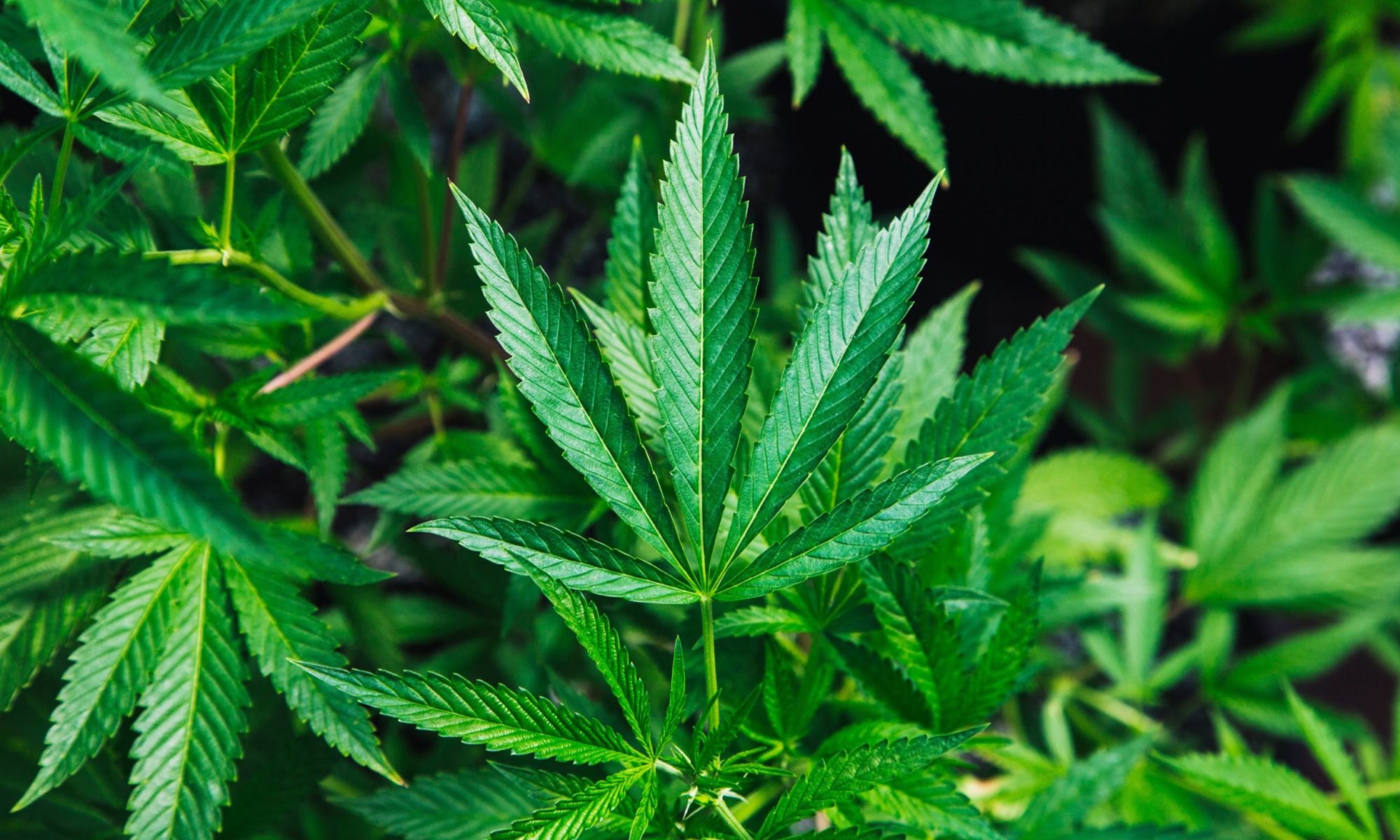


Finding Out More About the Power Plant cannabis Seeds
Growers Choice of Indoor/Outdoor High Potency Seeds joins a great collection of high-potency hybrid marijuana plants first created from South African sativa species. This impressive group of cannabis genetics contains a number of desirable traits that make it a crowd-pleaser among cannabis users. Some of these traits translate into desirable differences in high potency marijuana varieties, making it a challenge to grow high-potency crops. The hybrids are consistently high-quality strains with noticeable herbaceous foliage and tall growing habits. This article will focus on some of the most notable characteristics of this impressive line of cannabis.
Power Plant s cannabis seeds are mostly sativa, making this a powerful strain that produces a euphoric effect upon inhalation. Cascading popularity makes this a favorite among many users who want a heady high similar to that experienced during a night out on the town. With a woodsy, peppery flavor, Power Plant highlife cup cannabis strains produce an uplifting, happy high that can be a little too powerful for those new to medical or recreational cannabis use. This high is characterized by long, lazy streams of powerful bliss, lasting approximately two hours, after which feelings of fatigue and insomnia start to set in.
This cannabis strain tends to produce fast flowers that are easy to cultivate. A number of seedfinder users report that the plants grow quickly, with flowering buds comparable to that of indica strains. This trait is supported by the fact that this strain has been described as having cannula-like “spittules” where bud buds open. These buds then turn into small, densely-formed stalks before flowering once more. Fast flowering buds make the plant easier to cultivate and breed, resulting in higher quality buds.
Some consider Power Plant cannabis to be a cross between South African sativa and indica. South African sativa, or African mango, is a traditional, hardy strain from South Africa. The plant tends to flower more intensely than other strains and is relatively sensitive to frost. When exposed to cold, it retires significantly, making it a poor choice for growing inside.
indica is the most popular variety of cannabis from South Africa, although it is also the most difficult to cultivate and grow. The reason why indices are more difficult to grow is due to their high tolerance to frost, changes in light intensity, and pest invasions. As the plant has been described as hardy, some growers mistakenly believe that they can shortcut the process of hybridization by crossing indica with sativa. This has caused a serious increase in poorly-quality marijuana. In recent years, many indoor growers have begun cross-breeding indica with sativa and producing strains with very poor yields.
Although the yield from hybridization has improved over the years, the quality of the buds produced from this method is still below that of high-quality cannabis strains from South Africa and other countries. Due to the differences in the way the plants grow and develop, some strains have been labeled as ‘Feminized cannabis seedlings’ because they have been cross bred to create feminized traits. If a plant is not capable of producing viable buds, then it will not grow to produce any resin. It may however produce some psychoactive effects if the female counterpart is used.
In order to crossbreed indica and sativa so that you can produce a high-end power plant, you must purchase the best, highest quality genetics. This means purchasing the lines that contain the most desirable traits and don’t have many undesirable traits. The hybridization of South African cannabis variety was started around 1990 when scientists started crossbreeding different types of indices. The resulting strains have since been named after the cities where the plants originate, namely cape town, Durban, Bloemfontein, and Potchefie, respectively.
Crossbreeding produces highly desirable power plant cannabis strains that have proven to be very popular with consumers. However, there are still some potential problems with this method. It is possible that the resulting cannabis plants will not have as high a potency as desired, they could also have undesirable side effects, and they could suffer from deficiencies in one or more of the important cannabis components (such as THC or CBD). Most importantly, if the crossbreeding process is not carefully monitored and controlled, it could seriously compromise on the safety of the final product.