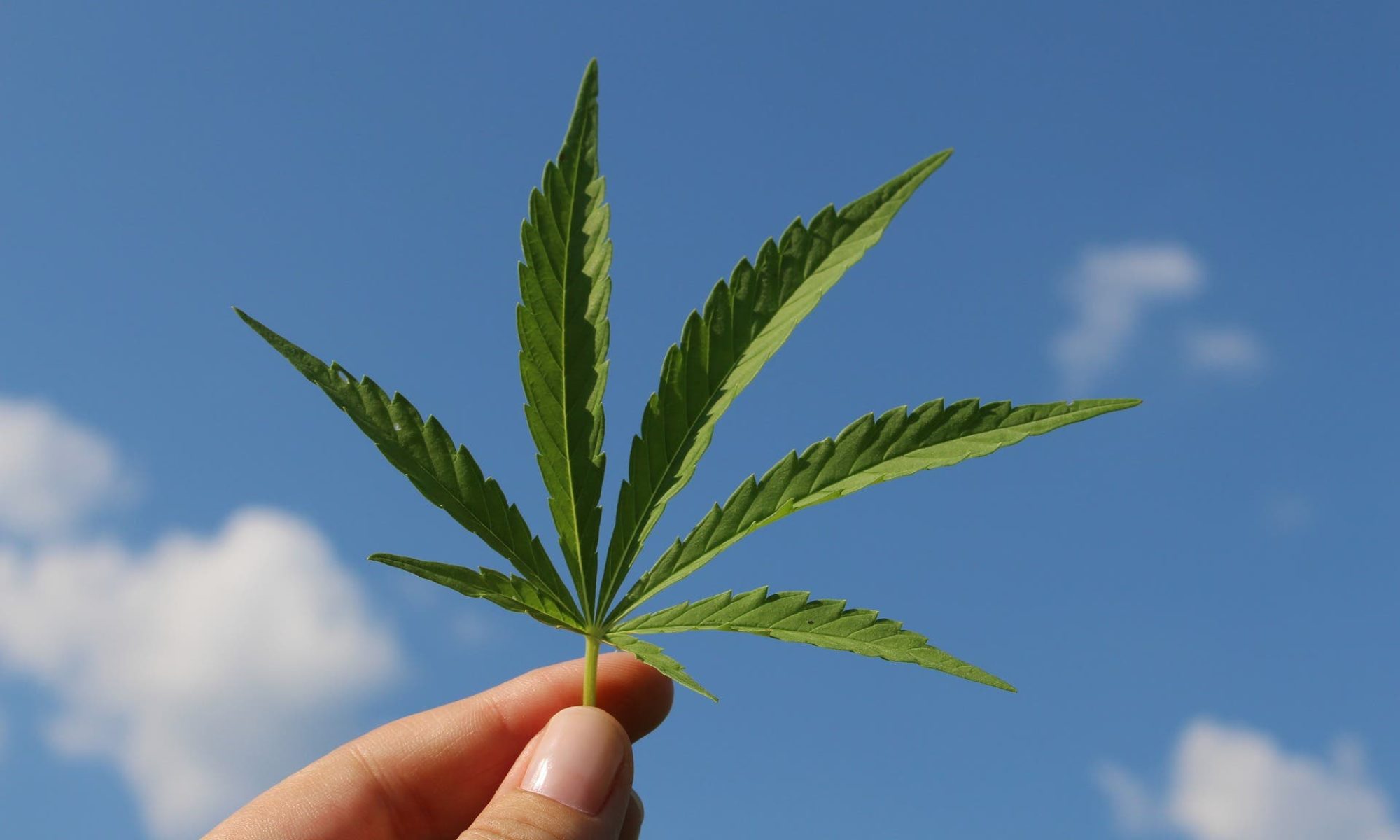

Regular marijuana seeds are cultivated by separating a female and male parent from the plant during the growing process. They are usually some of the most expensive and potent strains available and are cultivated by farmers throughout the world. The seeds are not harvested as often as the trim, but make up for it with their large, dense leaves. When dried they produce some of nature’s most potent drugs. In fact, the sheer purity of these marijuana seeds makes them some of the strongest and most potent drugs in the world.

In order to cultivate them, the flowers must be separated from the roots as they emerge from the pot. These stems and roots are then passed through screens and nets, so that only the top half is exposed to the light of the day. The top stems are then cut into smaller pieces and dried over hasty heating in a kiln. The cutting is important to ensure even drying and to get even sized pieces out of the seeds. Once they are dry, they are ready to be packaged and shipped.
The process used to produce these extremely potent drugs is very complicated and intricate. However, farmers have been able to use this process to breed many different varieties and strains, all with very different and unique characteristics, that are all highly prized in the marketplace today. Some of the most common types of marijuana seeds are as follows:
– Feminized Seeds These are basically regular marijuana seeds that have been feminized. This means that they have had specific feminization genes injected into them, making them more masculine and more dominant. The majority of these strains have some feminizing tendencies, but some have none at all. The most popular strain being grown these days is the Brazilian Blanca strain, which is believed to be some of the most feminized strains in existence.
– Indica Plants These are regular marijuana seeds that is known as Indicas. These plants have had their feminized seeds injected into them, making them more dominant and more difficult to stop. The majority of these plants do end up stopping growing and maturing after a few years of being bred, but some do continue to grow well for many generations. These are by far the most common variety of Indica plant found on the market today. These plants tend to stay in one place instead of going off and creating their own movement like the African Kalossi do.
– hybrids These are basically regular marijuana seeds that have had certain special characteristics added to them through genetics. Some of the more common traits you will find with hybrid seeds are things such as: resistance to disease, tolerance to high temperatures, and the ability to grow in almost any type of location. The most popular type of hybrid seeds is the Indica and the Kalossi. There are also many rare types of hybrid seeds, but these tend to be much harder to breed and produce better results. When you are breeding your own feminised cannabis seeds, it is important to keep in mind the traits that you are trying to achieve and ensure that you are taking the best care of your plants.
– Cross-pollination and/or cross-fertilization This occurs when two pollen sources produce either a female or a male marijuana plant. Many times you will see crosses between male and female plants where one has female characteristics and the other has male characteristics. There is nothing wrong with this except that sometimes the cross-pollination will create hybrid plants that don’t have the same qualities as either parent plant. When cross-pollinating you will want to take care that you are getting the best possible marijuana out of your plant and this can be done by ensuring that you are taking the best and strongest pollen from each parent.
– Climate All plants will react differently to their environment and some will grow better than others. It has been proven that certain climates and temperatures can make certain feminized cannabis seeds and plants much more resistant than their male counterparts. If you are growing plants for personal consumption, it might be worth considering growing outdoors under different conditions. In addition, some climates can reduce the effects of cross-pollination by producing opposite genders.