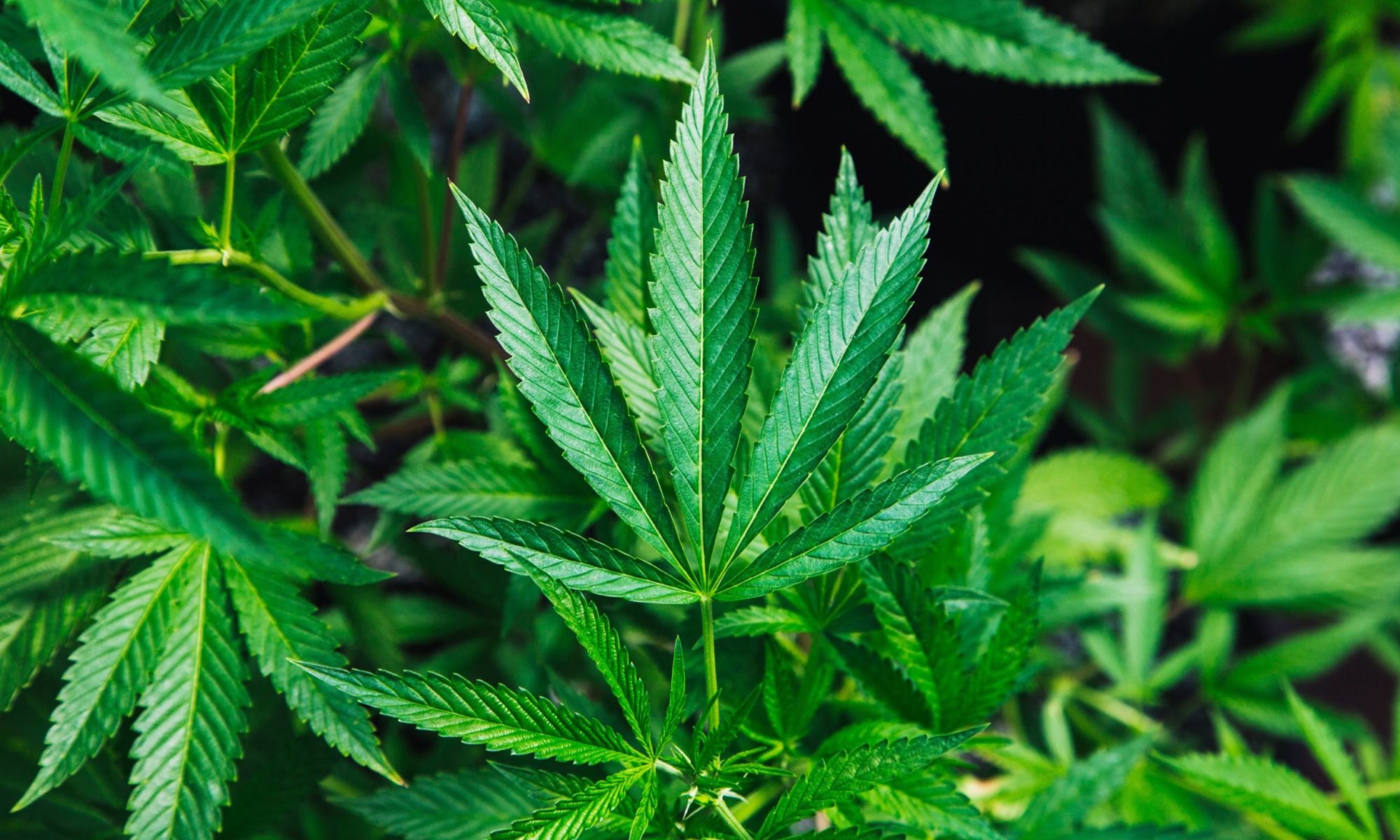


Crossbreeding Regular cannabis Seeds With Mother Plants
Regular cannabis seeds have endless possibilities for pot growers to experiment with. At first, a regular seed was simply a regular seed. Today, use the word regular cannabis seeds to separate the originalinas from autoflowering regular seeds and feminized normal seeds from seeds for the cultivation of cannabis.
Autoflowering means that the female plants are self-sterile. This is opposed to regular cannabis seeds which can be artificially crossed with male plants in order to produce feminized plants. Autoflowering means producing the same sex of plants, but the sex of production has been altered. Cross-breeding different strains of cannabis with different genders produces opposite sex plants, which is contrary to what most breeders try to achieve with their crossbreeding efforts. There are also different strains of cannabis with different genders.
Cross-breeding between feminized and normal buds can significantly increase the proportion of females versus males, which can have significant implications on the finished product. Some growers prefer cross-breeding between regular cannabis seeds, because they want to create new traits in their plants by selective breeding and the subsequent crossing of those genes with the desired gender of cannabis. This practice is known as “gene manipulation.” Some strains have been created from simple genetics, without the addition of feminization genes, to create new characteristics. These are commonly used for the improvement of the plant structure and height.
The process of cross-breeding to create new cannabis varieties begins when one male plant is crossed with a set of females. Typically, the cross-breeding takes place during the immature growth stage of the plants. The goal is to improve the fitness of the plants to produce new high-productive strains. When females do not reproduce, the process of cross-breeding stops. If and when a female plant is able to reproduce, it is possible that she will produce fertile seeds, which can then be crossed with another female plant to create the new variety. This new plant will carry the desirable characteristics of the parents, including height, shape and color of the flowers.
There are currently four types of marijuana strains that can be crossed to create new and improved strains. These include indica, sativa, redneck and geranium. All of these strains have distinct appearances and individual differences from one another. For instance, Sativa has been the most popular strain, producing high-producing buds with deep green foliage and exquisite fragrance. The most effective way to breed these strains is through the crossbreeding of two of the best strains, which are the hybrids.
Hybrid plants are created when two regular cannabis seeds are crossed to create a new one. Typically, the intended result is to create a strain that has desirable characteristics from all of the parent plants. Crossbreeding allows a new plant to be made with desirable characteristics from one parent plant and yet achieve specific objectives. A hybrid can have desirable straight characteristics, large buds, soft leaves or tall stems. Creating a new strain by crossing two regular cannabis seeds is similar to creating a new variety from any other species.
If crossbreeding is performed properly, the new plant will have outstanding results with outstanding traits. Crossbreeding ensures that the end result is a new plant that is stronger, straighter, has better fragrance and has the potential to produce more vigorous and well-flowering buds. The new plants are usually crossbred between three different cannabis strains.
Although many people choose to crossbreed their regular seeds to produce feminized plants, there is more to it than simply selecting two separate plants and breeding them. The process takes time and can only be completed with the right equipment. Many of the top breeders in the world to combine the specialized tools that are needed to create the perfect mix of mother plants and clones. The end result is a quality crop that has a longer shelf life and produces high quality cannabis.