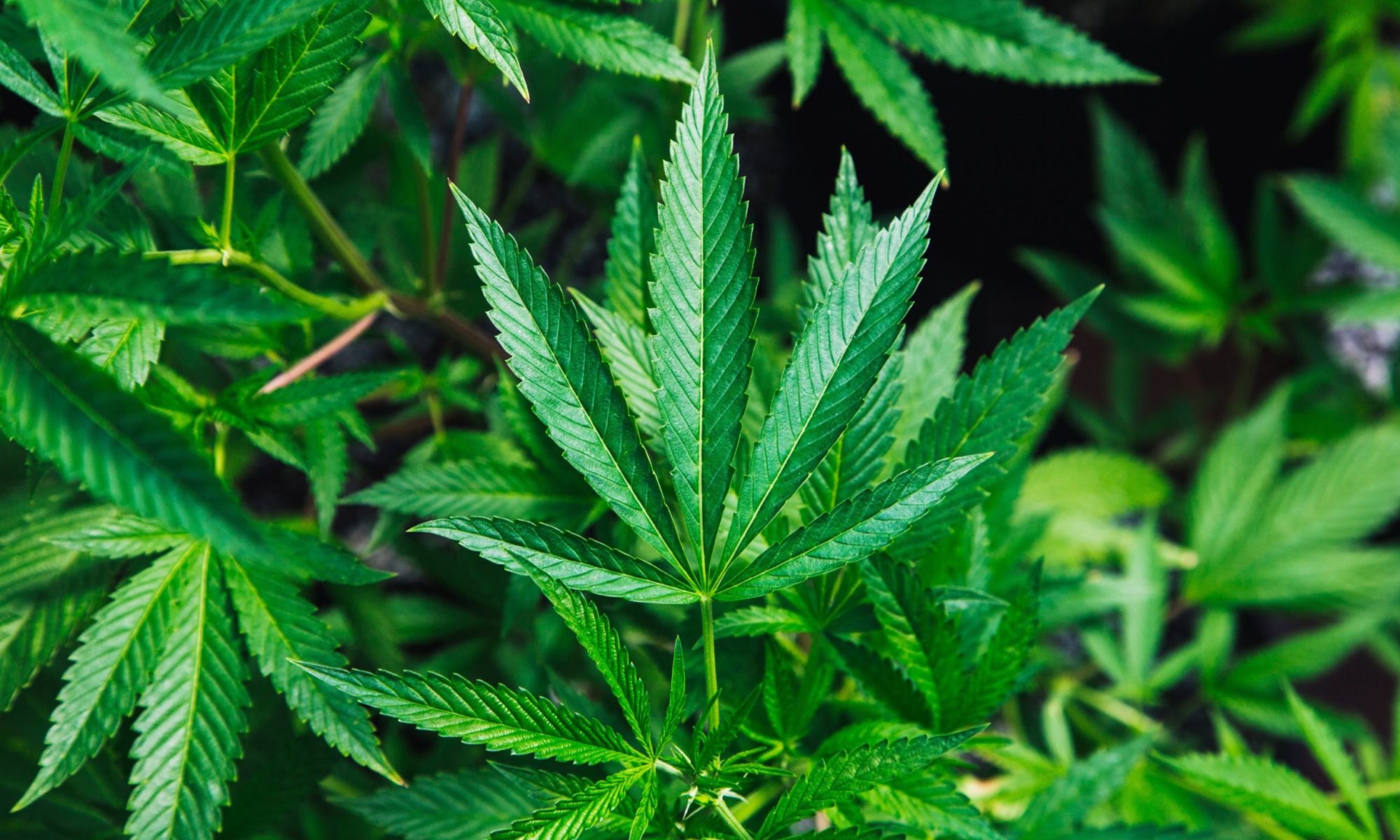

Regular Seed: Regular seeds are small seeds that produce both female and male plants. The difference is in the shape and size of the seeds. Female cannabis seeds have larger and rounder seeds while male seeds have smaller and flat seeds. Both male and female plants have their own distinctive reproductive features making it easy for growers to determine them during the early growth stage. Both types of plants will produce seeds, however the females do not have complete petite flowers as do the males.

Autoflowering Seeds: Autoflowering seeds come in two forms, regular and feminized. Regular seeds have been treated with estrogen, which causes them to develop into females when they are germinating. Feminized autoflowering seeds have been treated with testosterone, which causes them to grow into males when they are mature.
Growers can identify regular cannabis seeds from feminized or autoflowering seeds by looking at the mature flower buds. If the buds have been pushed out when they are still pistil-like, these are autoflowering strains. While, on the other hand, if the buds are globular or have no appearance at all, these are regular seeds. It is very difficult to cultivate feminized cannabis seeds as the crop is too small and does not flower until the later stages of its life cycle.
Many breeders of cannabis and marijuana also dabble in cross-breeding between different strains. There are several different methods for cross-breeding. One is known as marker-assisted breeding, wherein the producers collect hair, skin or fingerprints from one cannabis parent and with the help of this information to determine the traits of the hybrid. Another method is known as transformation cloning where producers collect DNA samples from a plant or from a patient and use it to reproduce a new strain. The third method is known as gene-knocking where the plants are bred to increase their yields by knocking out undesirable genes and then replacing them with desired ones.
When it comes to regular weed seeds, feminization has been going on for many years. In fact, farmers had been cross-breeding cannabis with other plants since the 1970s. However, in the recent past, some growers started cross-breeding indices and californas to make them less bitter. However, the Californian State Supreme Court has ruled that the practice is illegal because of the huge amount of money growers of this type of marijuana earn annually. Because of this, the demand has once again been reduced and breeding more cannabis plants with desirable characteristics becomes less lucrative.
Hybrid seeds have become the latest buzzwords when it comes to growing cannabis. These special seeds allow experienced breeders to create new and unique strains by replacing undesirable traits found in regular cannabis seeds. The two most desired traits from hybrid crops are fullness and flavor. By inserting more genes from other plants, hybrid buds quickly become less ordinary and can even become a new generation of cannabis products altogether.
There are several different ways farmers go about cross-breeding. Through a process of genetic modification, they can achieve a high rate of production without causing an increase in weeds. This allows them to be better at controlling the environment in which the plants grow. The first step to cross-breeding is collecting and studying seeds from regular cannabis seeds. Once these are collected and analyzed, the desired traits can be inserted into the plants through breeding. Once this is done, the plants are ready for planting.
However, not all breeders are responsible enough to take care of the plants and keep them happy. Some simply fall in love with the idea of crossing a good plant with another with high potential for success and producing a super product. It is important that buyers carefully choose breeders to ensure that they are not compromising on quality. Breeders who offer regular cannabis seeds are reputable breeders who work hard to develop the plants to the best of their abilities. They have probably spent years in breeding and are capable of developing new traits in a plant through careful selection. Breeders who make regular cannabis seeds themselves are obviously more interested in developing a highly desirable product than in providing a good quality plant.