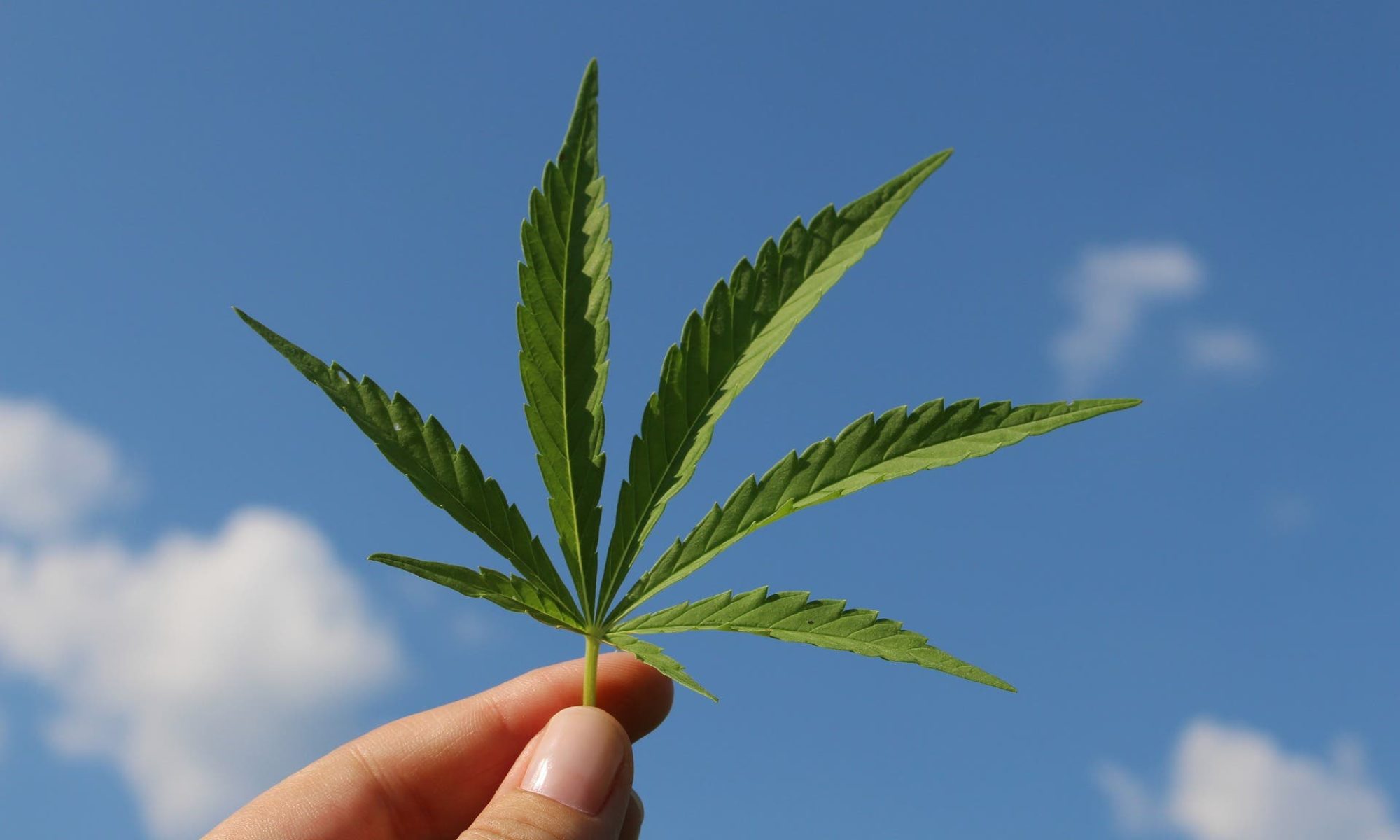

Limited Edition Seeds is an innovation in the industry, which has caught on particularly well in the area of gardening. These seeds have been known to resist more than one kind of weather condition, grow better than most other seeds, and are highly resistant to adverse conditions such as insects and diseases. The Limited Editions breed better than most other breeders do and are now being sought out by many new comers. There are two types of limited edition seeds available, black and yellow.

Limited Edition Black was introduced about twenty years ago to compete with indica strains that were more successful and prolific in the marketplace. The Limited Edition Black had a more solid root structure than most other feminized seeds at the time and was a huge hit with seed banks. With the successful release of the Limited Edition Black, seed banks started a trend of producing feminized black seeds and this has remained the norm for many years.
Yellow was introduced just a year later and quickly became popular with many seed banks. It is a hybrid of the Black and is thought to be more forgiving of less than perfect growing conditions. The yellow was released under the title “Queen Anne’s Lace.” This particular strain proved to be very hardy and favored by many breeders and feminized strains are still produced. Although there is currently a limited amount of production this strain is still a hot seller.
All Limited Edition Seeds has shown tremendous resiliency in tough environments and are not as affected by adverse environmental factors as some other strains. Most indica strains have been bred to be more compact, which can make them more resistant to disease, but this is not the case with all Limited Edition Seeds. In particular the indices which have a low lipid content are less resilient. Resilience is a key factor in any cannabis strain, so it makes sense that the better lines would be selected for those who are looking for a high yielding strain. This does not mean that some lines of plants will produce high yield but rather that good genetics will result in better yields from fewer cells.
Indica strains such as Sour Orange and Purple Coneflower are known for their resistance to diseases and insects, but they do tend to produce a lower crop than their counterparts. This is because of their dense foliage, the fact that they are extremely resistant to insects but also because of their dense foliage. The hybrids between two different indica lines can be considered a cross and these will have a much greater potential to spread the pollen and have better flowering time. Indica strains tend to be more feminine looking than their Indii counterparts and therefore are recommended for those who prefer flowers. However you need to be aware that the flowering time of the Indicas may suffer if the mother plant is pollinated by male bees.
Some good advice, which can be useful when looking for the best indica for your collection is to ensure that the flower buds show strong and obvious thc level. Thc is the crucial factor that determines the colour of an indica flower. Its presence or absence will determine the colour of the flowering buds. If the the level of the indica is high it means that the flowers are more vibrant and the colour is more intense. Hence the more brilliant colours are produced and the smaller flowers are deemed inferior.
Limited Edition Seeds can be extremely beneficial for the grower. They can be grown on large areas with ease and help keep costs low as well as allowing a greater diversity in the types of plants produced. Some of the limited edition strains can only be found on certain parts of the world. indica breeders can take advantage of this by locating where the limited edition buds will be available and breeding these strains exclusively. A large market has developed for this and as it is possible to over-populate any one area it has also been possible to introduce a new hybrid into any area without having to complete and start a new crop from scratch.
Limited Edition Seeds will always be highly desirable. The larger the plant the higher the potential returns and as the limited edition trait increases so too does the value. As the industry develops breeders will continue to look for new varieties and hybrids to promote. Inevitably, though, as long as the indica continues to remain popular there will be strain development limitations and some strains may even become extinct. It is interesting to watch and follow the progress of these strains and the successful ones may well continue to influence future developments.