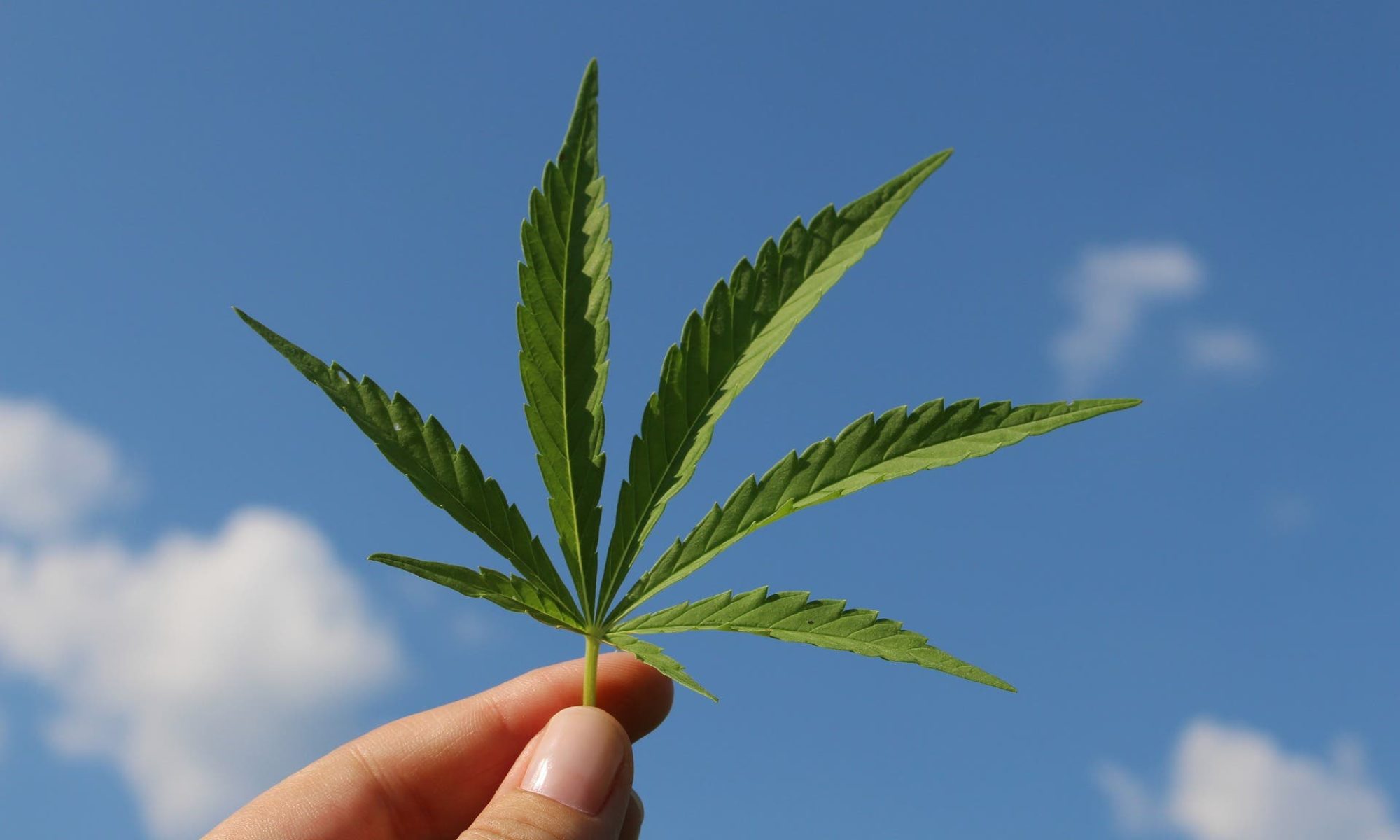


How Regular Marijuana Seeds Is Transforming
Marijuana seeds are a highly desirable and profitable commodity among the marijuana growing community. Regular marijuana seeds have been used for many generations to cultivate marijuana plants, and over the last few decades, top breeding programs have focused their efforts on developing regular only types in an attempt to preserve traditional genetic legacy. While some strains have proven extremely popular and well-suited for commercial production, many others have failed to meet expectations, possibly due to their limited ability to produce consistent high-quality crops. While marijuana is one of the most popular types of crop to cultivate and sell, other popular varieties of marijuana are often affected by outside variables.
One such environmental factor is female plants. Typically, it is nearly impossible for a male marijuana plant to flower during its flowering stage because of the hormonal imbalance between the male and female plants. However, a female marijuana plant can still flower and reproduce during its flowering stage, so breeders with a male plant in mind have turned their attention towards producing regular marijuana seeds that can be used to cultivate these plants.
Many experts believe that regular cannabis seeds developed through cross-pollination from the female plants of the original source (the mother plant) are likely to have the highest quality seeds. Some have even created marijuana strains designated as “hybrid” and “traditional,” believing that cross-pollination from various mother plants has increased the likelihood of creating new hybrid strains that can produce high-quality buds. Cross-pollination has also increased with farmers using herbicides during cultivation, which can inhibit the development of certain herbicides in certain areas of the globe. With these factors out of the picture, it is more likely that a particular breed of marijuana will be able to maintain its original characteristics. These traits, in turn, are likely to result in higher quality buds.
When marijuana seeds are produced that do not conform to conventional standards of how they should develop, it is unlikely that these seeds will ever become popular on the open market. Instead, breeders who produce such cannabis seeds will likely focus their efforts on genetic engineering efforts to produce crops that are more pleasing to consumers. For instance, in some regions of the world, farmers have produced cannabis seeds that have increased the amount of THC in the plants. Some of these cannabis seeds have been used in tests conducted by scientists who want to see if the increased levels of THC would have a similar impact on the development of human beings as does alcohol. If this type of study could be successfully tested in humans, it could be a serious step toward changing the face of cannabis use.
There are also strains of marijuana that have been altered through genetic engineering in order to create high-end, rare strains. In this process, marijuana breeders take a plant from its natural environment (i.e., the mother plant) and change the plant‘s genetic makeup through a process called feminization. In some cases, feminized seeds are released to ensure the survival of certain breeds of cannabis plants in the wild. In other instances, breeders experiment with the genetic makeup of regular marijuana seeds in order to determine whether it is possible to make the plants stronger or produce a unique variety. While no one can predict exactly what strains will emerge in future years, there is certainly an endless array of possibilities.
In order for marijuana to become feminized, it must undergo what is called “incitus”, or self-induced gender. By producing a female plant, males will not be able to fertilize the female plants. This will prevent the introduction of the sperm into the reproductive system, preventing fertilization. While this method may not be permanent, it is a favored method among breeders because it is not very time consuming. Additionally, since the plants can still produce normal amounts of testosterone, the feminization will not be permanent.
There are also situations where regular marijuana seeds are crossbred with feminized cannabis seeds in order to create new strains that would otherwise be impossible to produce. Crossbreeding often occurs when two different species conflict with each other, such as during disease outbreaks. When this happens, it becomes necessary to create a solution to the problem. In this case, the two organisms are crossed so that the desired result is a plant that has both female and male characteristics.
Genetic modifications through cultivation of genetically modified plants can also be used. The farmers and breeders use techniques to alter the genetic makeup of the plants, making them more likely to succeed than normal. They may introduce a new element or set of chromosomes. In general, when a cannabis seed is transformed, it loses some of its potency. However, this is not always the case. Some genetic strains actually increase their potential to be more potent than their regular counterparts; hence, breeders may continue to experiment with different methods in order to find out more about these traits.