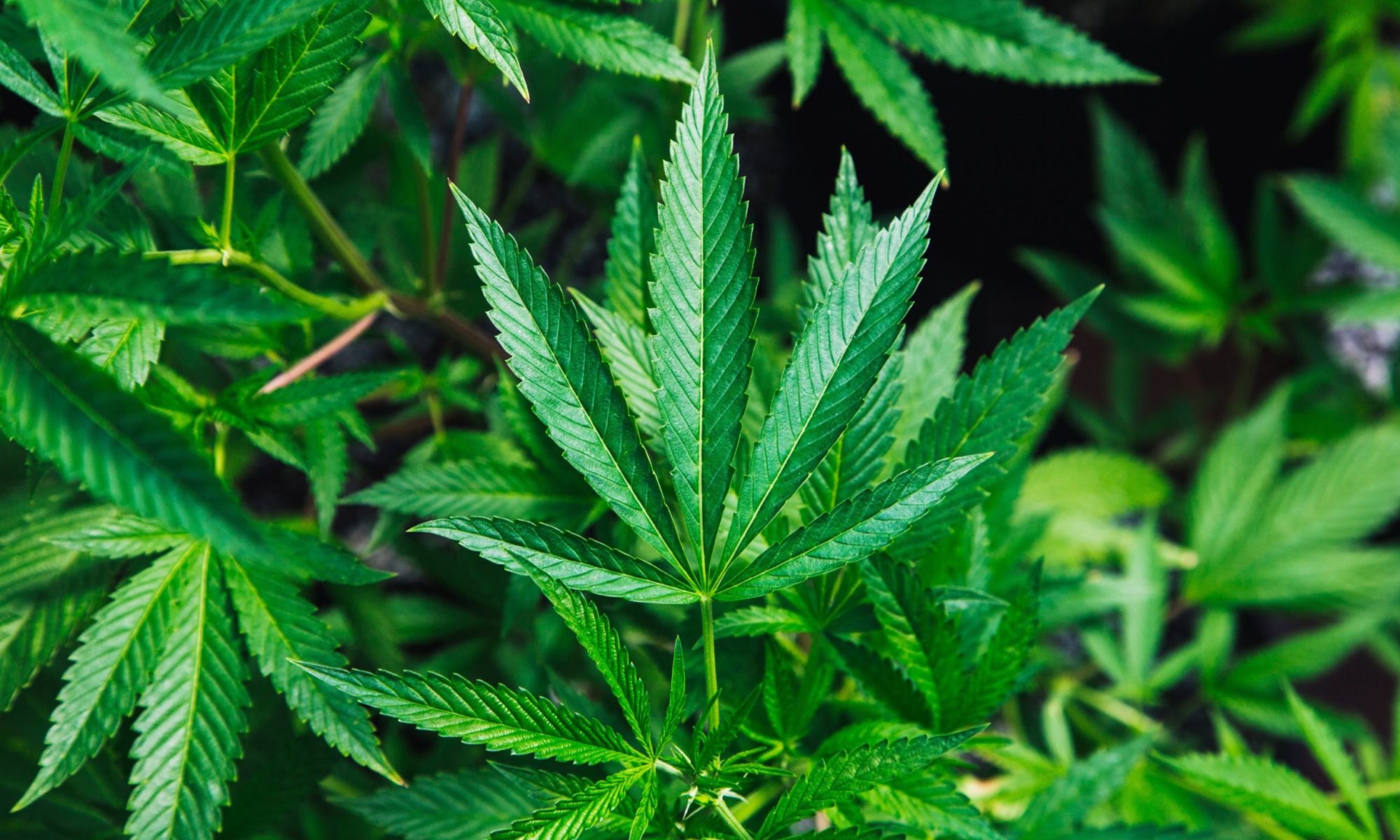

Despite the recent surge in specialized, genetically altered female plants, the popularity of regular, garden-grown cannabis seeds remains strong among enthusiasts. Gardeners seeking greater flexibility in their harvests and increased resale value for their plants scour the classified ads every day. It is not uncommon to read about individuals who will pay hundreds or even thousands of dollars for superior, full-grown cannabis crops.

One method used by many gardeners to achieve this goal is to create feminized seeds. This allows those who would like to grow a high yield of pot-high genetics to bypass the costly process of breeding true, natural cannabis plants. By allowing farmers to save time on the creation of new, feminized plants, breeding true genetics decreases the investment required for creating new, feminized seeds. Many experts in the cannabis industry believe that feminized seeds are closer than ever to being introduced to the market. With the current crop of hybrid female cannabis plants expected to fully replace the current crop by the end of 2021, feminized seeds could be a commodity within the gardening industry in a few years.
Creating feminized marijuana seeds is a fairly straightforward process, just as it is for creating quality regular strains. There are two options available when dealing with the breeding of female plants. Cultures that produce only female flowers can be feminized by cross-pollinating a male plant with a female one, or by using a pollenator to cross-pollinate a female with a male flower. Allowing two plants to develop in the same manner, and then cross-pollinate them produces a hybrid plant with the characteristics of both parents.
Before buying regular marijuana seeds, however, it is important to determine the source of the pollen. Some sources of this rare and exotic pollen have become known to seed distributors over the years, but most of it comes from growers who cultivate it themselves. For example, some people buy regular seeds from growers who have found pollen from a native butterfly in their garden. Native butterflies do not generally live within the United States, so such pollen does not present any danger to consumers.
A large number of Durban Poison seeds come from breeders in Mexico. These growers commonly cross their male plants with female plants, and create new plants that will produce a large yield of Durban Poison. While some farmers are not aware of how they cross-breed their plants, others know about this practice and allow it to continue. Unfortunately, there are other breeders who sell legitimate seeds that do not use the secret methods used by some growers. To avoid buying contaminated feminized seeds, consumers should only purchase from legal breeders and dealers who make it clear that all pollen is sterile.
When comparing regular versus feminized seeds, it is important to understand how each affects the potential to produce. Regular marijuana seeds are available throughout the year from growers who work outdoors, allowing them to harvest plants early in the season and keep them warm and dry until the plants flower. Because of this, these plants rarely develop many of the qualities of feminized plants. For example, many regular plants do not produce flowers, and rarely grow tall.
Hybrids between standard and feminized seeds are more common than most consumers would think. These plants can often be seen flowering at the top of the garden in full bloom before being dispersed and taken care of by another gardener. Some hybrid plants only produce a few blooms as the flowering stage approaches its end, making them ready for transplant or replanting to start the new cycle all over again. This makes them very desirable for the beginner gardener or the occasional grower.
The highest quality of regular weed seeds are from Canada, where the climate is most conducive to high-yielding plants. In fact, most hybrid plants that are used commercially were developed in Canada. Breeders of regular cannabis seeds take that fact into account, and make their products available to consumers who want the highest quality possible. By working with nature, they can create plants that yield regularly and consistently, which allows them to produce large harvests.