

Cultured Regular cannabis Seeds – Nature Intended
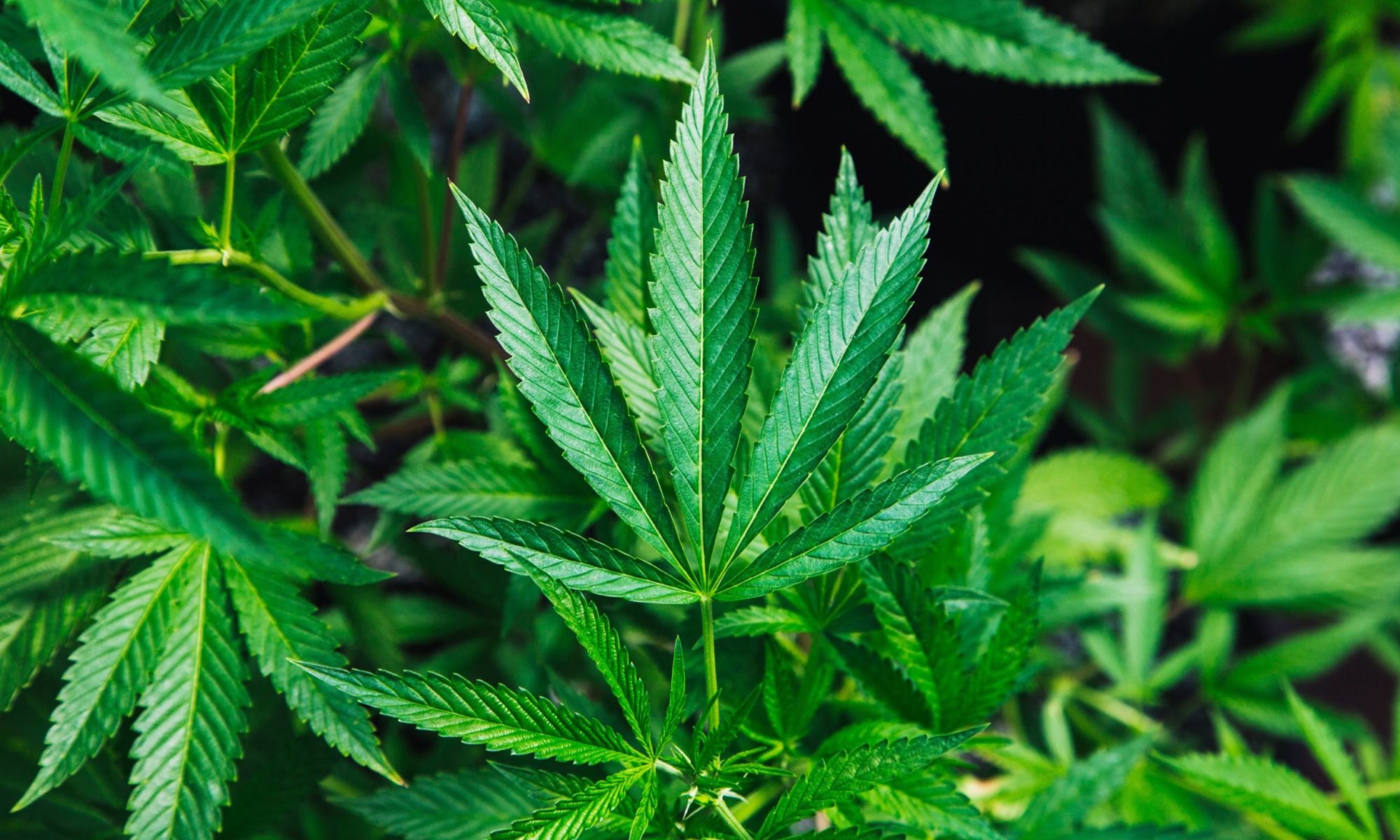
What exactly is regular cannabis? Regular cannabis seeds are completely free from human tampering aside from harvesting. Every time you germinate these seeds, you are taking a gamble with your health. There exists an even greater possibility that they will grow into robust flowering male or pollen producing females. Even if you happen to harvest a few seeds from the plant and they produce a regular crop, it does not mean that you are going to have regular cannabis. The cannabis you grow is going to be an individual plant and each growing season will have its own characteristics and may yield a crop different than another plant.
Many consider that female plants do not produce flowers while the male plants produce flowers. While the theory behind this is not fully understood, it is nevertheless well recognized. However, the method of germination for regular seeds is different than for females. In fact, female plants are capable of nurturing only one kind of plant and males produce seeds from two distinct sources. It would appear that females are favored over males when it comes to regular cannabis breeding.
To understand why female marijuana seedlings are so hard to cultivate, it is necessary to look at how autoflowering cannabis seeds are created. Autoflowering cannabis seeds, or feminized plants, are created with the intent of producing plants that have high levels of THC (tetrahydrocannons) instead of regular THC. While some grow enthusiasts want their plants to produce a pure source of THC, most growers looking for feminized plants want their feminized crops to produce high levels of THC.
One way to get around the difficulty of breeding for feminized marijuana seeds is to purchase marijuana seeds from breeders who already have feminized marijuana plants. Breeders who specialize in only this type of crop are more likely to be knowledgeable about the process of cultivation. They will also be able to provide more choices in terms of the type of marijuana strain that they are able to cultivate. Because many breeders tend to specialize, it can be difficult for first-time cultivators to determine which strains are suited to their growing conditions and whether they are even suitable plants to begin with. Breeders will have specific reasons for breeding certain types of cannabis plants.
The most common way to determine if an individual marijuana plant is suited to cultivate as a feminized crop is by looking at its parents. If all three parents of a marijuana plant are regular cannabis seeds, the plant should have no reason to resist being feminized. It should, essentially, develop fully as a normal crop. If it does not, then the chances are that it has one or more significant genetic differences from its parents.
To begin cultivating feminized strains, it is important to understand the three different types of feminization available to growers. All three methods involve the practice of breeding certain types of cannabis with one or more additional genes that make them grow more quickly or stronger. In general, these additional genes are placed on the male chromosomes of the plant. This makes the plants look like male plants when they are fully mature, but they will actually turn into females once the process is complete. Any good breeders will be able to discern between the genuine female plants and the artificial one-step women plants that have been bred.
The easiest method of hybridization through the addition of genes to regular cannabis seeds is called introgression. This is a form of crossbreeding where the target plant has one of the chosen traits from one parent and one of the chosen traits from another parent. The result is a new plant with one gene of one gender and one gene of the opposite gender. It is possible to do this successfully with male plants where the desirable traits can be transferred from the mother plant to the daughter plant without having to worry about developing the seeds. However, for some hybrid species, introgression is not successful as the target plant will have already had the desired trait and not need any additional genes. These can still be successfully reproduced through crossbreeding with other sources of regular seeds such as tobacco or soy.
Some breeders prefer to crossbreed female plants with each generation of plants taking separate measures to avoid inter-lineage (the crossing of plants within a species). This allows them to ensure consistent characteristics among the generations. Some of the most common types of hybrid plants are those that have been crossed with one of two parents and one of two daughters. These include Hybrids Indica with Hybrids Arabica and Hybrids Arabos with Hybrids Eva. The intention of crossing two distinct parents to create new plants is to ensure the new creation contains traits that fit naturally with its counterparts.