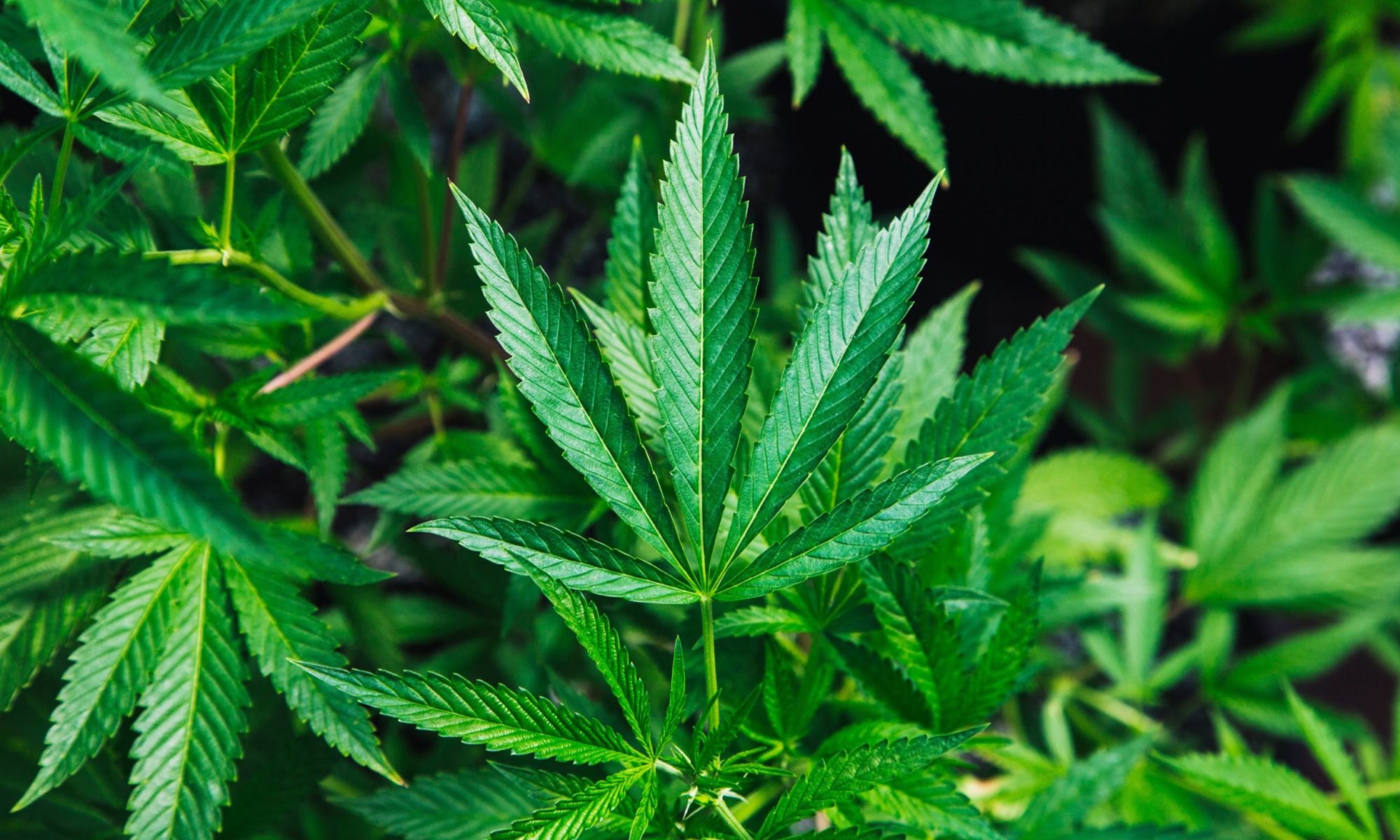

Regular seeds offer endless possibilities for breeders to experiment. At first, in Sensi Seeds, and consequently the English cannabis seed market, a single seed was actually a single seed. Today, use the word regular cannabis seeds to differentiate the original from autoflowering or feminized cannabis seeds. Some commonalities do exist between female and male plants, however. These differences result from the way the plants develop in the greenhouse, the different conditions outside the greenhouse, and the different growing temperatures inside and outside the greenhouse.

In regular cannabis seeds produced from indoor grown cannabis plants, only one-third of the seeds are active. All the remaining seeds are dormant or stored within the plant. The majority of thc and CBD, the two most active ingredients in cannabis, are present in these dormant seeds, so it is not necessary to harvest and store the seeds after they have been harvested. For this reason, feminized or hybrid cannabis varieties often retain one-third less of the original chemicals than regular cannabis seeds, making the plants less expensive and better for the environment.
The genetics of each plant can make a big difference in the final crop. In addition to the one-third reduction in seeds due to storage, most varieties do not share the same genetic history as well. There are six distinct hybrid marijuana strains in production today, five of which are extremely rare, and all but one of them is considered a “hybrid”. Hybrids are different than regular cannabis seeds in that the proportion of active THC and CBD varies significantly between them.
Hybrid cannabis plants are formed when one or more traits of a parent plant are combined to form another. Two common techniques used to form hybrid varieties are cross-fertilization and sexual crossing. If one trait is removed from the parent plant, such as the retention of CBD, during cross-fertilization, the resulting plant will contain very little or no CBD.
Cross-fertilization occurs when pollen from a different flower is gathered and combined with the pollen from a parent plant during the time of growth. Sexual crossing occurs when pollen from a male plant is collected and transferred to the female plants through sexual union. While cross-fertilization and sexual crossing may occur naturally, many breeders encourage their customers to also purchase feminised seeds so that they can start with a blank slate.
To create feminised cannabis plants, the cannabis plant is allowed to grow unrestricted until it matures into a flowering shrub or vine. After the plant flowers, it is removed from the greenhouse and put into a storage room. Regular weed seeds will not germinate in this environment. Some breeders allow their customers to keep the plant in the storage room until it matures and starts to flower, at which time the seeds can then be divided and used to create feminized plants.
Some cannabis breeders prefer to use feminized seeds rather than regular cannabis seeds because the plants from which these seeds are produced are stronger and produce a greater quantity of flower in the flowering stage. Some strains produce the greatest amount of THC compared to other strains. These types of strains often have a shorter flowering period than regular cannabis seeds, making them ideal for indoor cultivation. These plants are also more difficult to maintain.
In addition to producing a greater amount of THC, some of the most popular feminized marijuana seeds are created using female marijuana plants that have had their own male buds removed. These buds contain a small amount of CBD, which produces a high similar to that produced by the male marijuana plant. This type of feminized marijuana plant is known as “ensis,” which stands for “a plant in bloom.” When buds of this type are removed from the plant during growth, the plant produces little or no flowers. However, after the plant matures and begins to flower, it will produce a large amount of CBD, which has similar effects to that of THC.