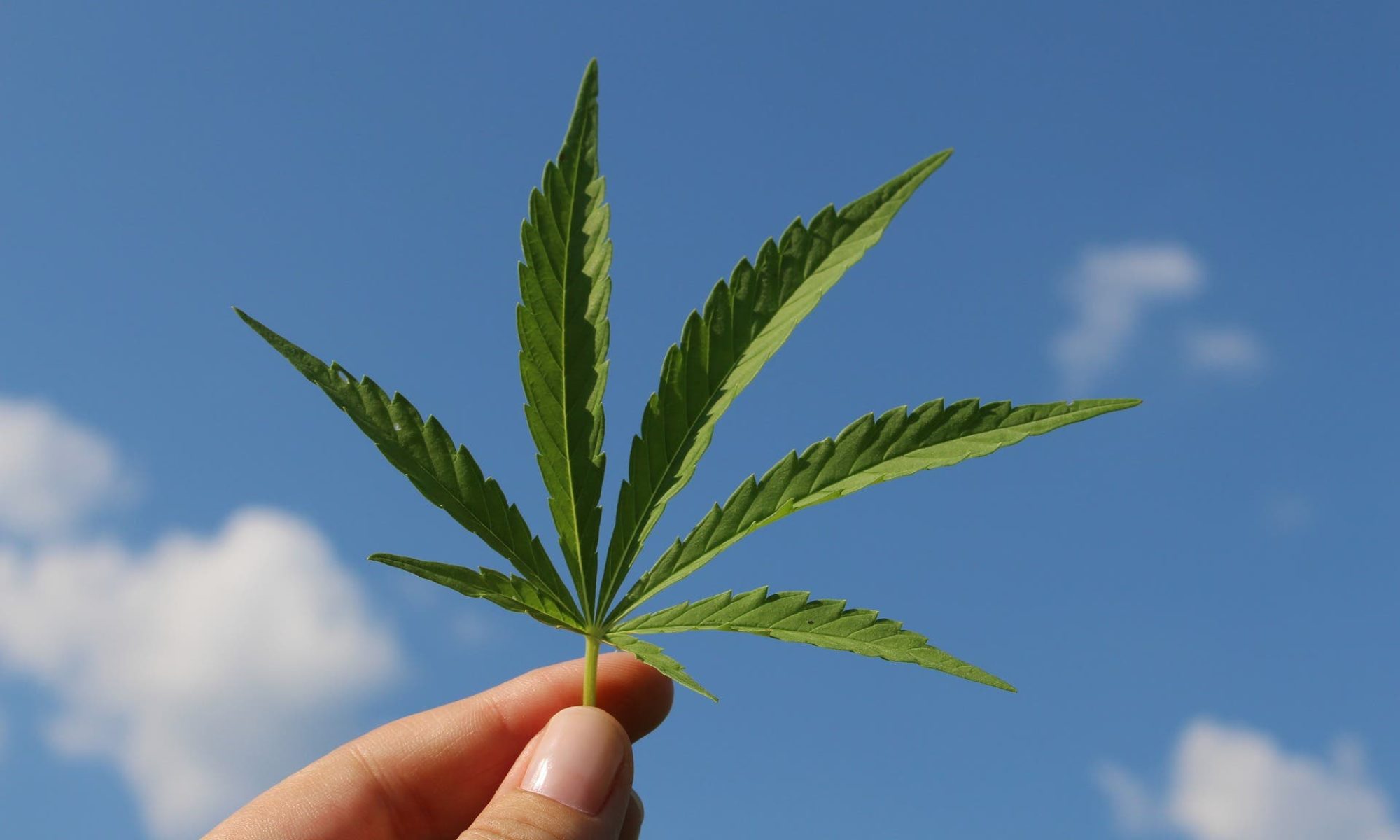

When it comes to getting high and having a good time, few comes close to power plant cannabis seeds. This strain of cannabis is created with sativa as its main ingredient, and is a cross between indica and sativa plants. This hybridization gives the cannabis user a sweet taste that many describe as “mild”. The high from this super potent strain of cannabis has led to it being one of the most widely prescribed medications for treatment. Even in its recreational form, the benefits of Power Plant cannabis are many. But even with the popularity of this powerful medicine, are there any health risks or drawbacks?
The truth is, there may be some negatives to power plant cannabis seeds, although these seem to be rare and unlikely. First of all, the high. With a sativa-heavy concentration, power plant weed seeds have been created to provide a happy, uplifting and generally uplifting high that leaves people energized but also very relaxed. With a smoky, herbal, woodsy taste, Power Plant cannabis seeds have more than 19% THC, making them quite a happy, memorable high. For those who have experienced the joy of a good, strong marijuana high, the amount of THC in these seeds will have little effect on their overall experience. This is not to say that someone who only has occasional marijuana use will not notice the occasional feeling of “high,” just that the high is so very delicious and pleasant that it is hard to imagine “low.”
With Power Plant cannabis seeds, you can be sure of a very strong high that leaves your brain in a very relaxed, alert and awake state. The high will keep your body “high” all day long, and you won’t feel like you have gone anywhere or done anything at all. The effects of this particular high is often referred to as the “Hollywood buzz.” The effect of the high will last all day, even though you may sleep right through it. The high simply will not wear off.
The second negative to power plant cannabis seeds is the smell. If your house is near any source of human waste and garbage, or if you live in an apartment where neighbors tend to toss any non-food items they have in their garbage cans, chances are your power plant buds will smell like rotten eggs. No one wants to walk into a pot belly and have that terrible stench. But if you do, your bud may smell like ammonia. This smell will quickly fade after you save the buds from the garbage cans.
The third negative to power plant cannabis seeds is price. With an average of about three dollars per flowering bud, you can easily spend several hundred on just one or two flowering plants, depending on how much you grow. Many people who grow their own cannabis do so with feminized cannabis seeds, because the plant produces up to ten times more buds in each clipping. In addition, these buds have been treated with feminized hydroponic nutrients, so they do not have to compete with male flowers for the nutrients.
A fourth negative to using feminized cannabis seeds is poor results. Some of the best strains have produced great results. These plants usually come from organic growing practices, meaning that they were grown without the help of any chemicals or pesticides. Only good results result from using these feminized seeds, not bad ones. You can expect about seventy-five percent hardier plants if you start with a good crop of regular cannabis seeds.
One final negative to these cannabis seeds is that they will only produce a single type of high. The high produced by the feminized buds is known as the “indica”. This high has been compared to the high produced by the female counterpart of the cannabis plant, which is called the sativa. However, it is not clear whether this strain produces a better high or not.
Some people believe that the strain that is most effective is the African crop. The name African cannabis comes from the plant‘s physical structure and the fact that it grows only in the thick, dry African soil. This is a common belief amongst aficionados. However, the African cannabis is actually very poor, with low quality flowers. The best cannabis is the Thai variety.