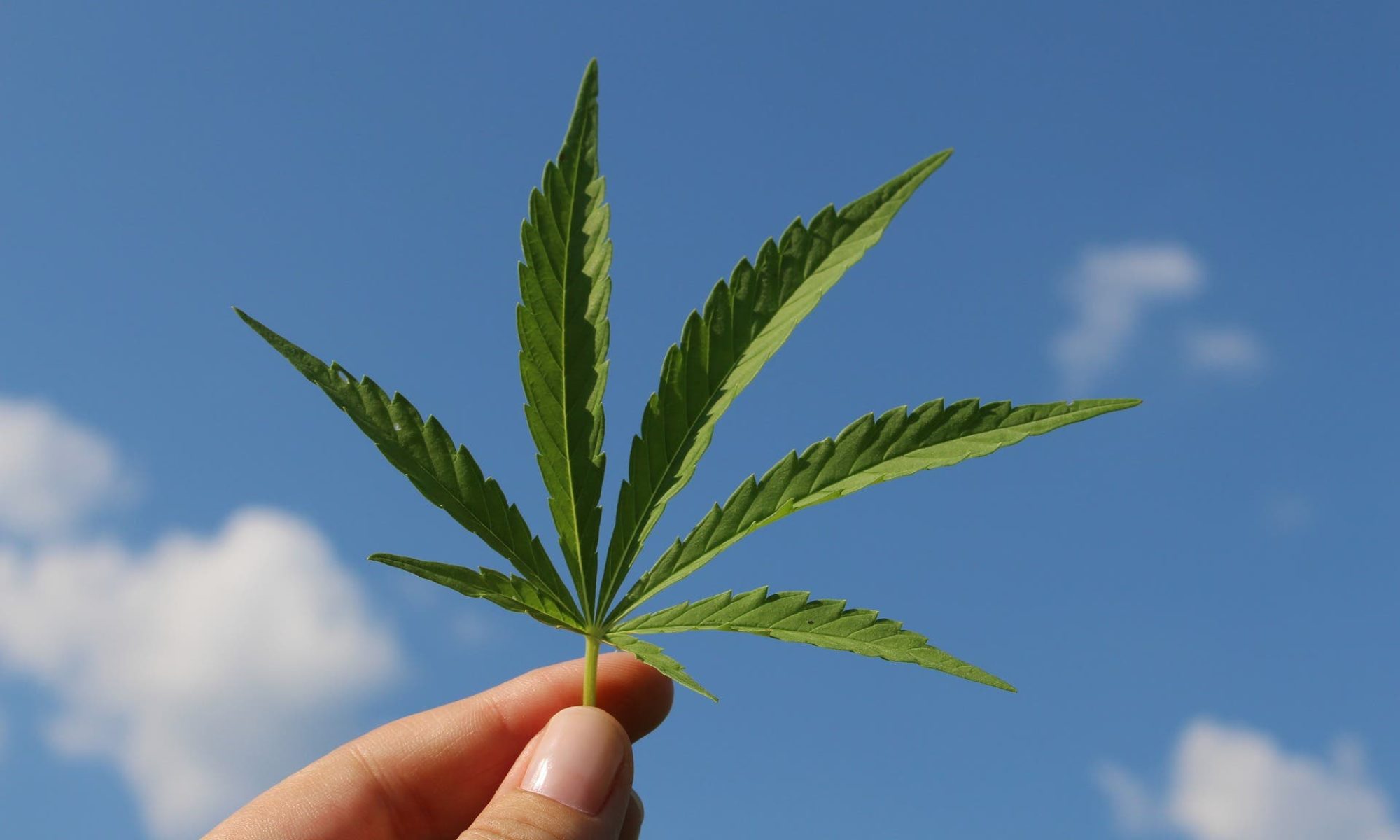


The Genetics Of South African Sativa Power Plant
Growers Choice Feminized Power Plant seeds blend a unique collection of high- THC-dominant cannabis strains originally grown in South Africa’s Kalahari Desert. Known for their energetic, flowery taste, the potent cannabidiol (CBD) found in Power Plant flowers is highly regarded by health-conscious consumers. High in fatty acids, which help relieve chronic pain, the CBD in Power Plant buds act as a natural sedative and can produce a calming effect on consumers when used in conjunction with medicinal marijuana. With a sweet, woodsy, peppery flavor, Power Plant seeds contain approximately 19% THC, making them a very potent and powerful low- THC alternative for the growing population. This means they can enjoy a powerful, satisfying high similar to that of smoking a legal, medically recommended marijuana cigarette without getting the associated health risks.
The combination of rich, deep green color and heavy, dark hairs makes the Kalahari Desert flower a favored flower crop among South African health-conscious men and women. The rich, hearty color of the plant enables it to endure the brutal African sun. The plant is known for its ability to grow and produce a wide range of flowers in a short space of time, allowing the grower to continually increase the amount of cannabis in their garden. Power Plant weed seeds are specifically crossbred from the highly-resistant hybrid cannabis, “Reckoning Seeds,” which has been grown in the Kalahari Desert since 1998 and is now available in Canada.
When used in combination with medical marijuana, Power Plant cannabis seeds are known for producing powerful and mind-altering effects on the body, mind and spirit. The strong, pungent scent of the flower is often described as smelling like an old vial of tobacco. With the high temperatures and arid air present in South Africa’s Kalahari Desert, this is not a far stretch to imagine how the powerful aroma might be absorbed into the body when it is smoked. South Africans have long acknowledged the powerful medicinal properties of the plant, known locally as “Aedi,” which has been used for centuries to treat various health ailments including coughs, stomach pains, ulcers and headaches.
To assist in the process of germination of the seeds, South African farmers use a special procedure that involves boiling water over a number of times to evaporate the extremely hot moisture. After the water evaporates, it is then brought back to boil again, while stirring the mixture. This ensures that all the oils within the plant seeds are dispersed in the resulting steam. The combined boiling and evaporation process further dilute the extreme potency of the THC present in the buds.
A few days later, the plant buds are harvested by hand. The high-quality, pharmaceutical-grade cannabis is then carefully screened for unwanted characteristics, such as bitterness, which may hinder the achievement of desired results. After screening, only the most desirable strains are selected for cultivation, and these are typically crossed with other high-quality plants to produce new variants. The final step is to cross the screened and improved strains with each other and cultivate them in traditional grow rooms. Once these plants are ready, they are shipped to dealers in south African countries where they are sold to medical users and enthusiasts.
All the equipment used in this process is set up by two growers in the company of the original plant grower. The actual harvesting of the plants occurs during the later stages of development, when the THC and CBD levels in the cannabis seeds have reached their peak in potency and have begun to decline naturally. The two growers, known as the primary and secondary growers, work together to ensure that the cannabis seeds are harvested and delivered to dealers’ stores at the correct time.
All the cannabis seeds are feminized before being sent to South Africa for the actual flowering stage. The cultivation process, also known as the feminization process, can last up to five months. During this time, the feminized plant undergoes a series of important processes, such as a period of physical and chemical treatments, to help it transition from the growing stage into the flowering one. The actual flowering period is shorter than that of its counterpart. It only lasts between four and five weeks, and during this time, only a small number of buds are actually flowering.
The flowering of the cannabis strain is facilitated by the substances contained in the feminized cannabis seed. This substance, often known as “doser”, is a type of hormone that enables the female plants to reach full bloom. There are a few different types of poker, including: phloem, waxy or clear, and pollen. As well as making the flowering process easier, the doser helps the plant to go through the process of resins. The resin process ensures that the marijuana does not fall ill with unwanted smells and toxins, as it does in case of unrefined cannabis. The south African sativa power plant is therefore a very efficient way to cultivate and produce quality and highly lucrative marijuana.