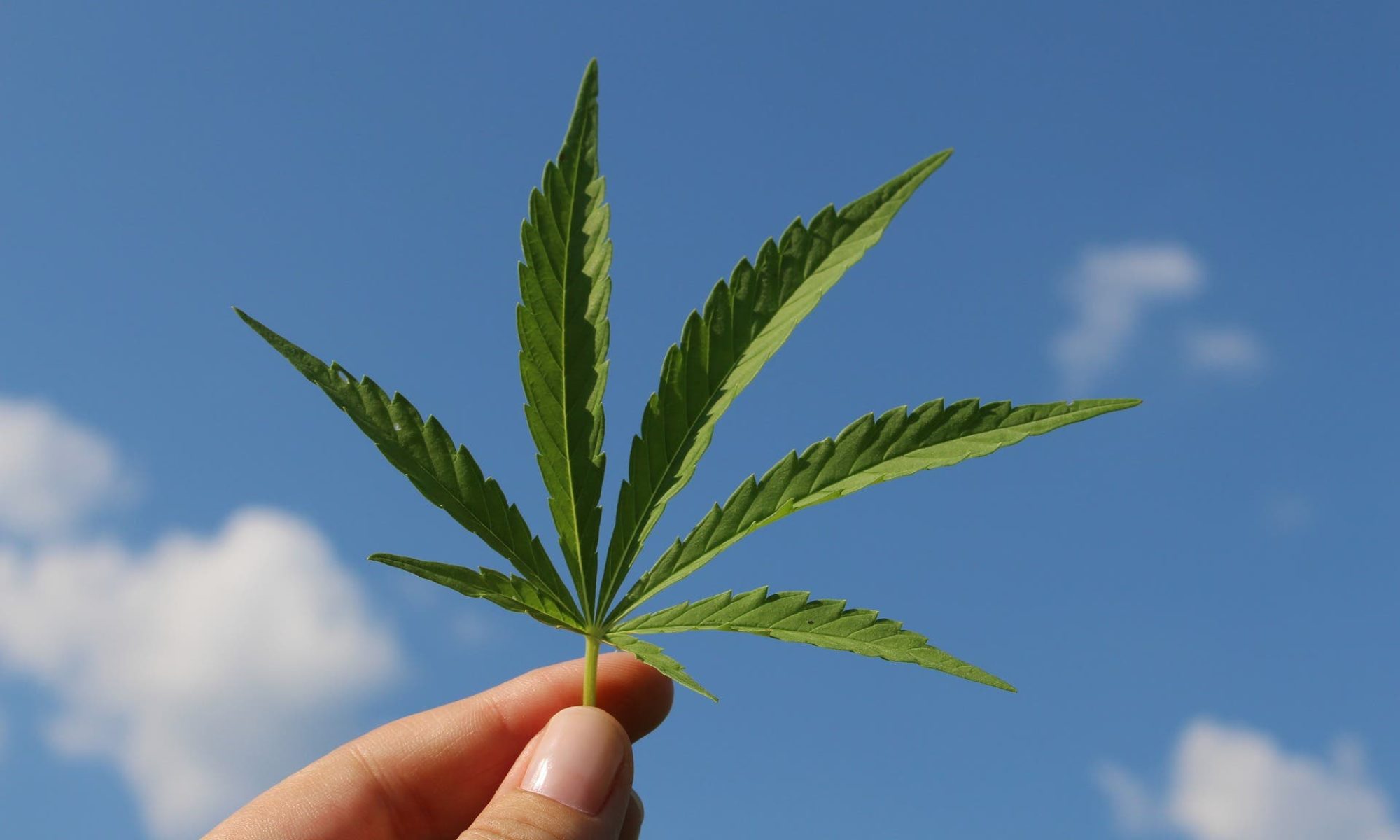

Regular seeds or feminized seeds: which is actually better? When choosing the right marijuana seeds for a new grow, choosing between whether to grow regular or feminized (non- Feminized) marijuana seeds is an extremely important step to consider. Regular seeds do have several benefits over feminized varieties; however, they also come with some disadvantages. Regular marijuana seeds have generally been bred for more robust and longer growing plants, which may mean that they won’t grow as fast as feminized marijuana seeds. They can also be susceptible to bugs and insects that can destroy feminized marijuana seeds, making them less than ideal for indoor growing.

However, there is a way around these problems – breeding regular cannabis seeds. There are many different types of techniques used in breeding marijuana plants, and each method has its own advantages and disadvantages. Some of the most popular techniques used in breeding are:
Male plants are taken from one female plant and transferred to another female plant. When done correctly, the female plants will produce viable seeds, which will ultimately become marijuana plants. This is commonly done with female plants that have been crossed with another plant with only one parent.
Autoflowering cannabis seeds are in the process of cross-pollination through the use of other fully developed cannabis plants. Cross-pollinating with fully developed plants can be very difficult, especially if you are working with a tight budget. Autoflowering cannabis seeds can be used to assist in cross-pollination by taking away the natural disadvantage that the mother plant has. When autoflowering cannabis seeds are started, the marijuana plant will go through a period of dormancy. The excess marijuana will go into the storage shed to await next year’s plants. During this time it will produce regular cannabis seeds.
The process of autoflowering cannabis seeds through cross-pollination is similar to that of autoflowering standard seeds; however, the strain will not be able to bear fruit during its dormancy period. The plants will go through a period of blooming and eventual fall, after which they can be harvested. A fully developed, fully usable marijuana plant will have produced regular seeds that can be used to produce the desired amount of cannabis. However, the marijuana plant will not produce any buds during this period, as it focuses on concentrating on growing its own genetics.
When a fully grown plant reaches the flowering stage, it will focus on producing more pollen in order to ensure itself another generation of marijuana. Some growers will continue to harvest and save the feminized seeds that have proven successful in producing regular cannabis seeds; they will then use these in their grow rooms to start another generation of plants. This is often necessary when a grow room has been inactive for some time because of environmental conditions.
Different varieties of marijuana are grown using various techniques and methods. However, all marijuana plants produce regular seeds that can be collected, stored and used again. Some growers collect and store the seeds in a refrigerator in the hopes that they will reproduce and sprout new plants. Others will harvest and then replant the mother plants into another room without damaging or killing them. Either way, all types of marijuana are capable of replicating their own mother plants through specialized cloning techniques.
All marijuana plants produce regular seeds that can be collected and stored for future use. Some species produce more females than males; and others produce males that do not have any female characteristics. Growers who are interested in producing large amounts of marijuana may choose to collect and store excess females and breed them with males from other plants. Alternately, many growers collect regular cannabis seeds from different sources, mix them together and then nurture the resulting plants through repeated collection and storage. All of these methods are used in order to recreate the conditions that marijuana plants grow in when pollinating and producing seed.