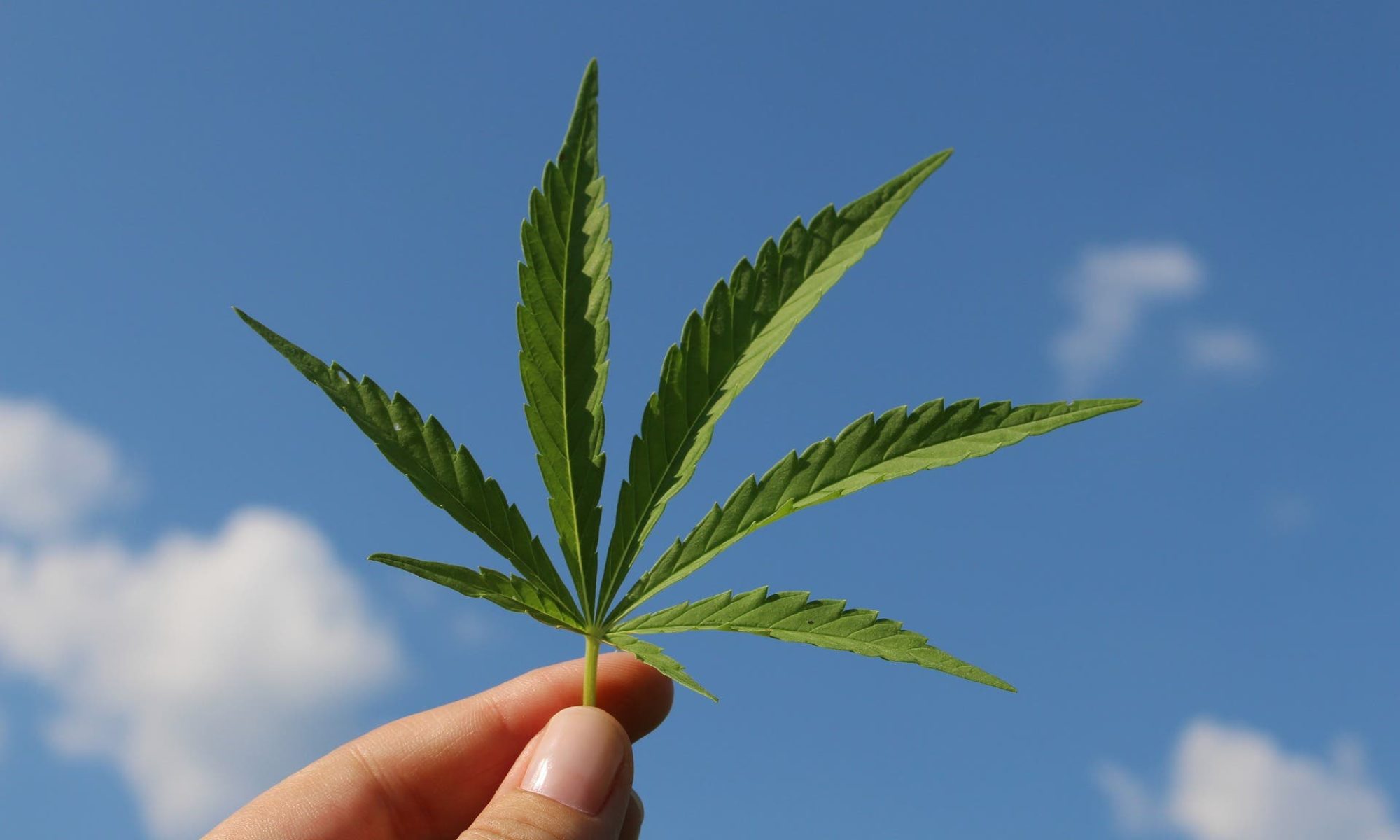


The Genetics Behind Marijuana and Regular Cannabis Seeds
Regular cannabis seeds always contain both male and female plants in an optimal ratio of 50:50. To determine which is which, each cannabis plant has to be grown and germinated then they “sex,” or start to show signs of becoming male (masculine) or female (feminine). After the initial inter-plant phase, the male (cannabis male) plants will mature and bloom, containing a large number of small flowers, called calyxes, that bloom in late summer. The female plants will mature and bloom, containing a smaller number of calyxes, again, usually in late summer. Both male and female plants will then return to their original state, being vegetatively dormant for the remainder of the year.
Some growers prefer to use autoflowering seeds. Autoflowering seeds, which are described as feminized, or having feminized characteristics, are typically crossed with feminized cannabis plants so that a higher percentage of the desired cannabis characteristics are present. The percentage of desirable characteristics is still not perfect, but with some cultivation methods, feminization can occur. This provides a greater potential for growing feminized plants. Some of the characteristics of autoflowering seeds are:
– Autoflowering cannabis seeds are available throughout the year. These seeds are most available in the spring months when bud growth is rapid and buds are opening. In most cases, marijuana buds mature in four weeks. This allows frequent visits by new Grower or buyers of feminized marijuana seeds.
– The buds from which feminized cannabis seeds are taken are hand-picked to ensure that the plant has no unwanted insects. This also minimizes the possibility of taking unwanted marijuana off of the plant. Each plant will only have one set of reproductive buds, making for uniform flowering. This eliminates the possibility of one set of plants producing three sets of flowers and one set of leaves, which would create irregular flowering in a very narrow window of time.
– Genetics play an important role in the success of breeding for regular cannabis seeds. Most strains are highly successful with a few modifications. A variety of factors can be manipulated and bred for desired results. While some breeds are more susceptible to certain pests, other types of strains are less susceptible and have been bred specifically for pest resistance. This is beneficial in that it makes breeding for better results easier.
– Cultivators can control the conditions of the environment, the plants grow in. This helps control the environment they are in and helps determine the outcome of the plant. Some varieties of feminized cannabis seeds are not able to grow in certain weather conditions because of their nature. Other female plants may be able to tolerate certain weather changes better than others. It all depends on the individual plant and the genetic makeup of each plant.
– Different types of females are used to produce different types of flowering buds. The females that produce regular cannabis seeds are known as feminized or cross-bred. These are cross-bred plants and may contain male and female plants that are a direct result of other cross-bred plants or animals. This is beneficial to consumers as it allows them to have more choices and fewer options with the cross-breeding process.
Regular cannabis seeds are usually cross-bred with regular cannabis plants, making sure to get the best possible genetics. It’s important to consider the effects each plant may have with each other. Some plants may produce more robust and flavorful buds while others may be more resistant to insects or have a lower tolerance for heat. When choosing the type of plant to cross-breed with another, you have to take into consideration factors such as the environment in which they will be growing. They should be able to grow together and produce quality buds no matter which one of them has the greater genetics. Cross-breeding will result in greater varieties and will lead to more hybrid varieties.