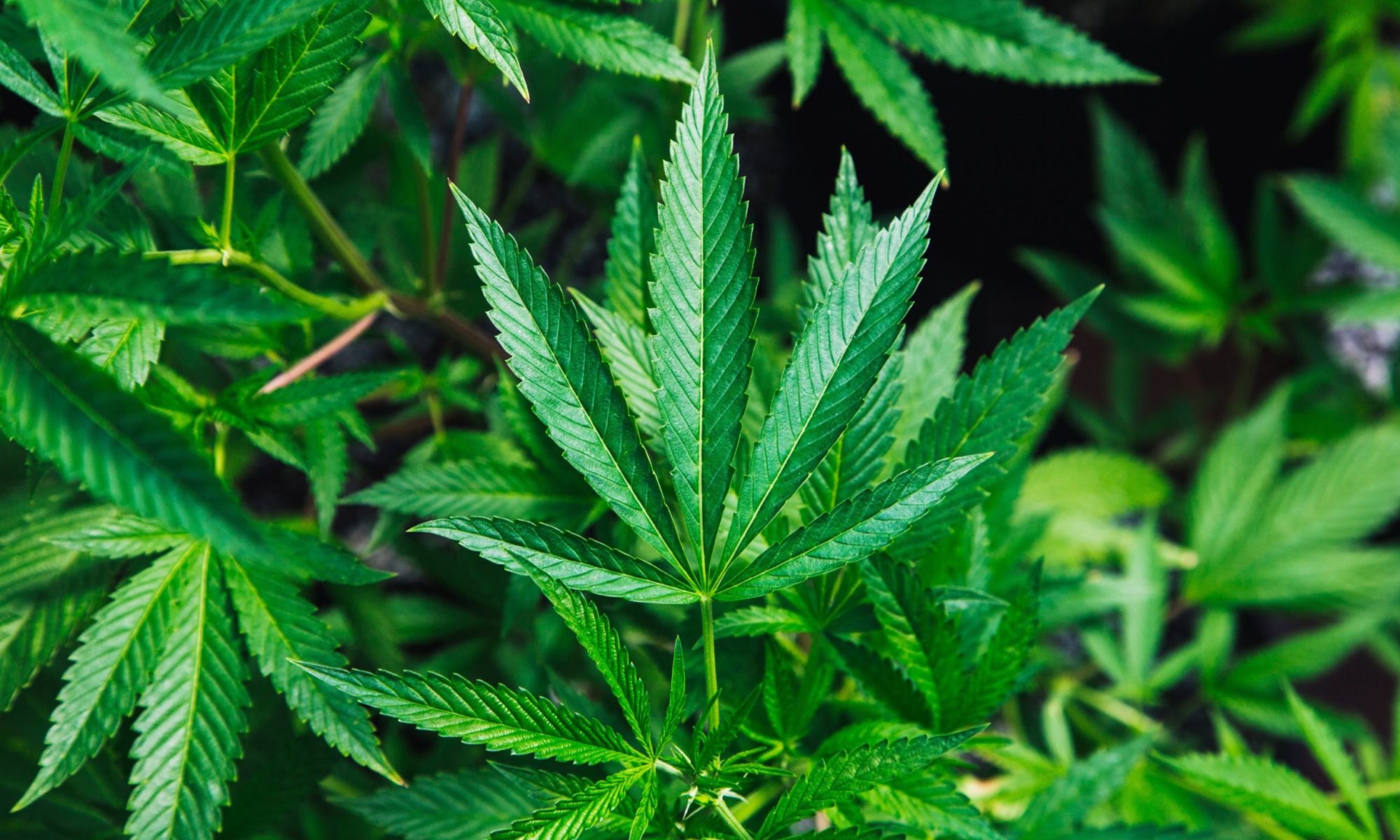

Marijuana genetics is a term that has popped up quite often as marijuana growers seek out the best marijuana strains for their efforts. While the old saying of “one man’s junk is another man’s treasure” is certainly true in this case, it is important to understand that marijuana genetics has changed over time. With the major shift in cultural views towards pot smoking taking place across the world, many have turned to altering their marijuana genetics in order to keep pace with society’s shifting attitude towards this drug. With such an important part of history now lost, it is imperative that the next generation of marijuana growers preserve the heritage that has been handed down through generations.

Some of the most desired marijuana seeds on the market are those that produce an extremely high yield per plant. The ability to do so is largely due to the nature of marijuana plants that only require a limited amount of natural light per day to flourish. This lack of light production is what allows some plants to take advantage of the many different marijuana gardening techniques that exist today. As such, genetics used to achieve such results are limited to just a select few plants that are able to take advantage of these different light intensities. In recent years, however, have focused efforts on developing regular only plants in an effort to preserve future generations and provide the bulk of the prize winning genetics in regular and feminized strains.
When breeding marijuana plants for future use, it is important to remember that each plant will go through a unique set of experiences that will affect its development and result. Plants that are considered “regular” will go through a series of events in their growth and flowering stage before they will germinate and begin the process of reproduction. As such, when you select plants for breeding, you must make sure that you get those that go through the proper series of events. This means ensuring that the plants are in good growing condition, the flowering stage is complete and that the mother plant has not yet produced pollen or seeds that can be dispersed to future plants.
Fortunately for those who desire a continuous line of plants, there are options available to those looking for regular marijuana seeds. Those seeking to start a business can work with growers who specialize in feminized plants or can source out feminized plants themselves. Additionally, breeding standards for regular marijuana seeds are relatively high, making it easy to find an appropriate plant for any growing endeavor. In most cases, each plant sold is one that has passed quality standards and can be guaranteed as sterile or free of contaminants.
For those who want to save time and money when shopping for marijuana seeds, there are two options. The first involves investing in one of the many sources of autoflowering and feminizing marijuana seeds available today. While auto flowering plants will not give new plants access to all of the desirable characteristics of marijuana, they will still be able to generate a significant amount of marijuana. This is thanks to genetics and modern techniques.
Autoflowering marijuana seeds will be much less potent than the offspring produced by conventional breeding techniques, but they still have significant qualities. Because they are not genetically purebred, auto flowering plants will typically be smaller and weaker than regular marijuana seeds. Because they rely on strong female cannabis plant parents to reproduce, the resulting offspring will also be smaller and weaker. However, because the plants will be stronger, and because females will have to pass on their qualities to the next generation, feminized plants will often produce extremely potent offspring that may surpass even the highest quality seeds.
For those who are looking to grow a consistent and large amount of marijuana, the second option is an obvious choice. Regular marijuana seeds are widely available and will produce crops that are consistent and substantial year after year. Typically, the yields produced from feminized strains are much higher. These strains are also more consistent, lasting longer in the ground. They also will produce crops with greater resiliency to environmental changes.
Some experts recommend hybridizing marijuana plants, and many breeders consider regular marijuana seeds to be too weak. By cross-breeding female plants with males from different species, it is possible to create new traits that are desirable for commercial production. Cross-breeding has become more popular as breeders have learned that some plants prefer certain climate conditions better than others. The ultimate goal is to create plants that can tolerate extreme environmental conditions and still produce high quality buds.