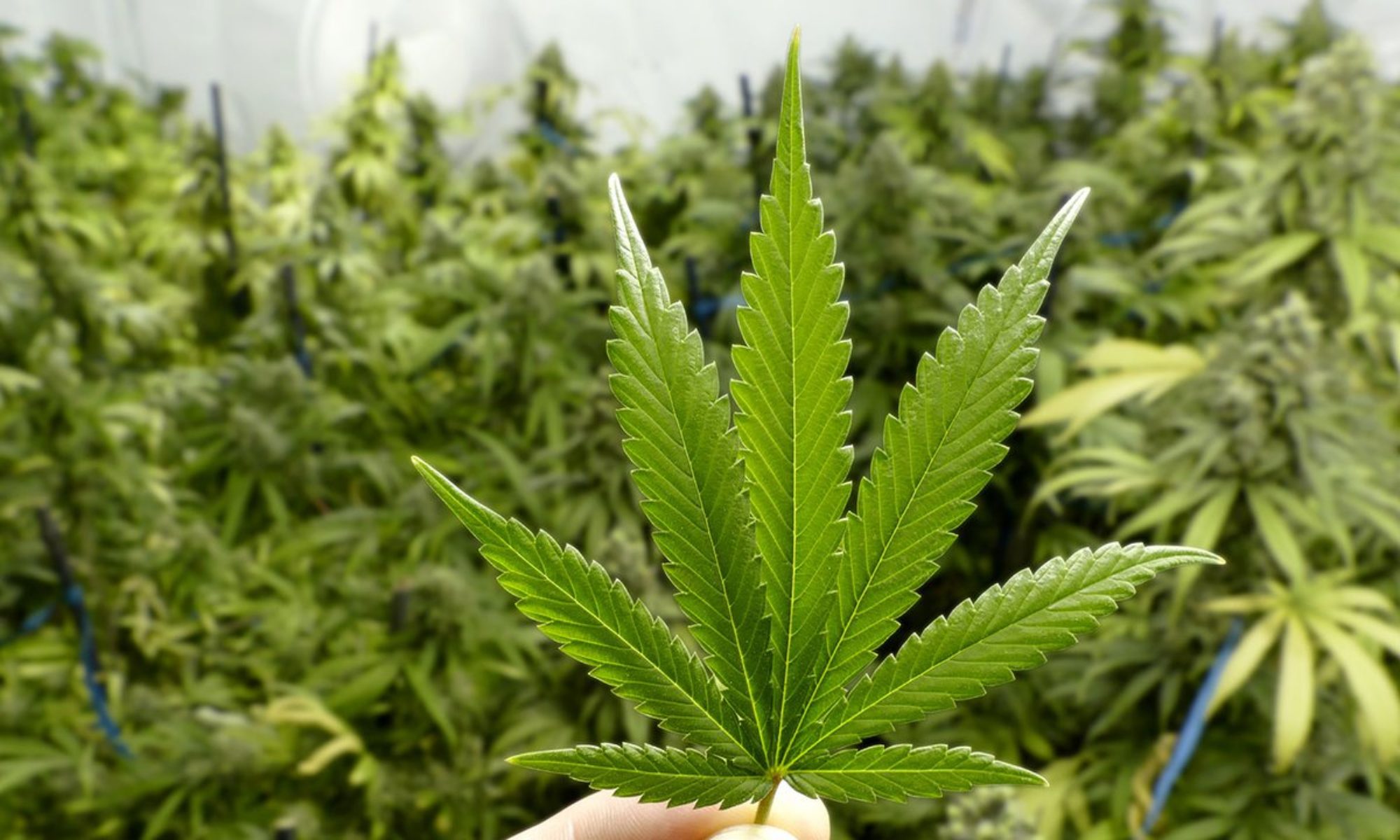


A Guide to Crossbreeding Regular Marijuana Seeds With Un-Sexed Seeds
There are literally hundreds of different kinds of marijuana seeds that one can grow in a garden. Marijuana is a cactus like plant that grows best in soil with a moderate amount of light. Some of the most popular strains include Lemon Grass, White Reaper, and Cheese. All of these varieties have been tested and are known for their high yield and high protein content. It is common to grow these kinds of seeds indoors because they will do well in low light conditions.
When it comes to breeding regular marijuana seeds, some of the best results come from using feminized seeds. Although these strains are not technically considered marijuana, some of them have comparable traits to regular marijuana strains. Through genetic manipulation, feminized strains are able to resist common male plants that can destroy the feminized plants. This is one of the fastest growing ways to get new genetics into your garden. With careful cutting and shaping, you can create new traits and produce crops with new and interesting qualities.
Unlike regular marijuana seeds, most feminized cannabis seeds are not designed to be used by people who are not using marijuana. These seeds are most commonly bred to create new plants that have very specific characteristics. They are often used by breeders to try to ensure that certain characteristics of certain plants, such as tall growing plants, are passed on to future generations. Even though a specific trait may be desirable for the overall plant, certain characteristics can actually destroy the whole breeder’s efforts.
Some of the most common traits in feminized cannabis seeds are things that are common in regular marijuana strains. These traits are things like shorter flowering plants, those that tend to produce more buds per plant, and smaller plants. The main thing to remember is that with feminized cannabis plants, the proportion of male plants to female plants does not decrease. Instead, it changes from one female plant to another.
Because of the nature of feminized cannabis seeds, it is possible to create feminized plants through traditional breeding. However, this process does not occur very often, so feminized cannabis seeds will not be found at specialty seed stores. Instead, you may have to find online retailers who specialize in crossbreeding. Crossbreeding involves taking two opposite characteristics of a particular cannabis strain and combining them together.
One very popular method of crossbreeding is called early Durban poison regular seeds. This is the most popular variety of un-sexed marijuana seed used in crossbreeding projects. Early Durban poison is the result of two plants that were actually the same plant: the durum gums of one plant and the phytolaca of the other plant. Because they are of the same size and have basically the same genetics, these two plants were able to grow alongside one another. Because of their close relationship, early Durban poison regular seeds can be expected to produce highly potent cannabis with a very sweet taste.
The first step in crossbreeding an un-sexed cannabis seed with another plant is to isolate the desired trait from each plant. This can often be accomplished with help from a molecular biotechnology company. Once the traits are isolated, the new plant is introduced into the greenhouse under controlled conditions. Conditions in the greenhouse will help to preserve the feminization process as much as possible. This will help to ensure that the seeds will produce approximately 50% more THC when compared to a regular marijuana seed that is not feminized.
Many growers prefer to crossbreed un-sexed cannabis plants with male plants. In fact, it is common for some farmers to crossbreed male plants with regular seeds in order to produce stronger, more powerful cannabis plants. Some hybrid strains of cannabis plants have been produced with traits from two or more parents. Crossbreeding with other living things is only recommended when crossing has been carefully supervised. If crossbreeding occurs without careful supervision, the plants could contain some unwanted genetic material that may cause the plant to become unstable and dangerous to its environment.


