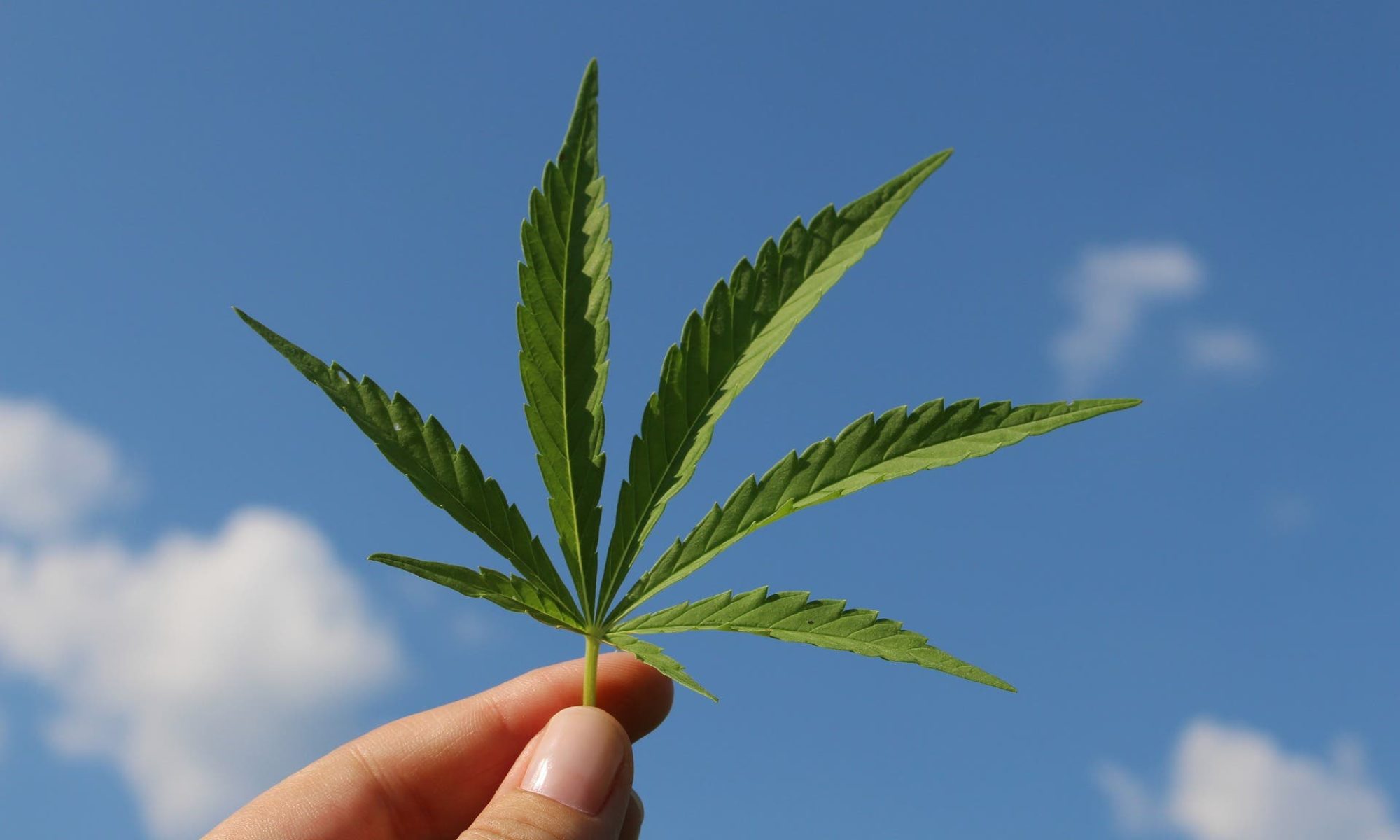

Growers Choice Feminized Power Plant seeds join a growing list of high indica-dominant varieties first bred in South Africa’s cape. This high CBD cannabis strain produces an uplifting and invigorating high, which leaves users instantly energized and ready to take on the world. With a woodsy, peppery taste, Power Plant cannabis Seeds contains just about 19% CBD, which gives users a bright, uplifting and energetic high which can be a touch too powerful for those new to medicinal or recreational cannabis use. To avoid the side effects caused by CBD, especially when combined with other drugs, pregnant women and children are advised against consuming Power Plant. The name of the cultivar is taken from the female counterpart of the plant, which coincidentally is also named “flower woman”. The original flower was grown and harvested to retain its resinous, sweet-smelling berry form.

Due to a resounding success story, the power plant cannabis seeds and oil are now cultivated in over thirty countries across nine continents. Although there are some issues regarding the lack of research and test trials involving the efficacy of the strain in treating ailments such as cancer and HIV, overall the oil’s popularity continues to grow. There has also been an increase in the general impression of the highlife cup due to its ability to relieve depression, anxiety, stress, pain and spasms. In fact, many users have reported experiencing relief of symptoms within five minutes. This accounts for the consistent increase in brand value attributed to the Power Plant.
An abundance of good information is available regarding the benefits of the cannabis strains with the highest level of THC. Most of the strains are primarily Indica or Valerian varieties, but there are a small number of hybrid varieties, which were developed by accident. Some of the more popular names for the highlife cup variety are Blue, Blueberry, Cheese, Diesel and Lemon Grass. The south African Sativa strain is said to contain twice as much THC as any other known strain. Due to the high level of THC present in the cannabis, the South African Sativa strain is often considered a “weed” rather than a true cannabis, in the same manner as the hybrid cannabis strains between indica and sativa are not technically considered true pot, as they contain only indica with no sativa. However, they do share some common properties, such as being high in CBD, although Sativa contains significantly more CBD than does the Cheese strain.
The popularity of the cannabis seeds, oil and leaves have spread to growers in Europe, the United States and Canada. Although it is believed that the cannabis plants were first cultivated in Africa, the seeds were later taken to Europe where they led to the spread of the cannabis tradition in that region. It is thought that the seeds of this strain were initially grown in Ethiopia, before being brought to the Italian town of Trentino-Alto Adigo, where they began being used locally. From there the seeds were transferred to Spain, Germany and finally to England, the final destination being Lisbon.
This strain was mainly sold as a power plant, with its high CBD levels helping people cope with nausea when chemotherapy, and reducing tremors in those who suffer from epilepsy. When the crop started to be marketed as a legal high in Portugal, the Portuguese name for the cannabis, Solavantia, soon became Sivalia, after King Charles II converted it into an extract for his own use. The cannabis is still sold today in its pure form in Portugal, and most of the world’s power plant buyers consider it a luxury crop that is rarely exported. In South Africa, however, the cannabis is more commonly traded as Marigold, a name which refers to the golden yellow flower that it produces.
South African cannabis seeds are also known as Kachinas, which means “wild herbs”. The South African variety is one of the strongest natives on the planet, with some strains producing over a hundred times the potency of most medical cannabis strains. It is this strength that makes it such a powerful medicine, being especially effective at relieving nausea and vomiting and at fighting off parasites and infections. The most common uses of Kachinas as a power plant include stimulating the appetite, and providing energy to combat fatigue. They are also often combined with tea and cocoas, or consumed by sufferers who prefer a more gentle approach to pain relief.
In Brazil, another famous South African cannabis variety is Gavina. This robust strain has the highest concentration of THC, or tetrahydrocannabinol, of any cannabis variety, aside from the medicinal marijuana variety. The Gavina growers typically grow the seeds indoors in old-fashioned greenhouse buildings, although they also raise other plants, like olives, tomatoes, and chilies, in large hydroponic facilities. The high costs of indoor growing make it impractical for many small-scale growers to cultivate Gavina indoors; however, the Brazilian climate and rich soil make it a popular choice for indoor growers.
Last but not least on the list is the heavy yielding photoperiod variety of cannabis, also known as Kalossi, or African Kalossi. As its name suggests, the leaves of this legendary heavy yielding photoperiod variety are only half an inch long, making it impossible to notice them growing, even in full sun. These plants are only able to grow when the temperature reaches around eighty degrees Fahrenheit, and they will stay dormant through the winter. Once spring rears its head, however, the heavy-duty photoperiod varieties of cannabis will bloom again, providing incredible color and aroma for those who enjoy an exotic scent. Although the cannabis industry is currently focusing more on trimming and mass-flowering, high-yielding, heavy-lasting photoperiod varieties of cannabis are certain to remain a force in the future.


