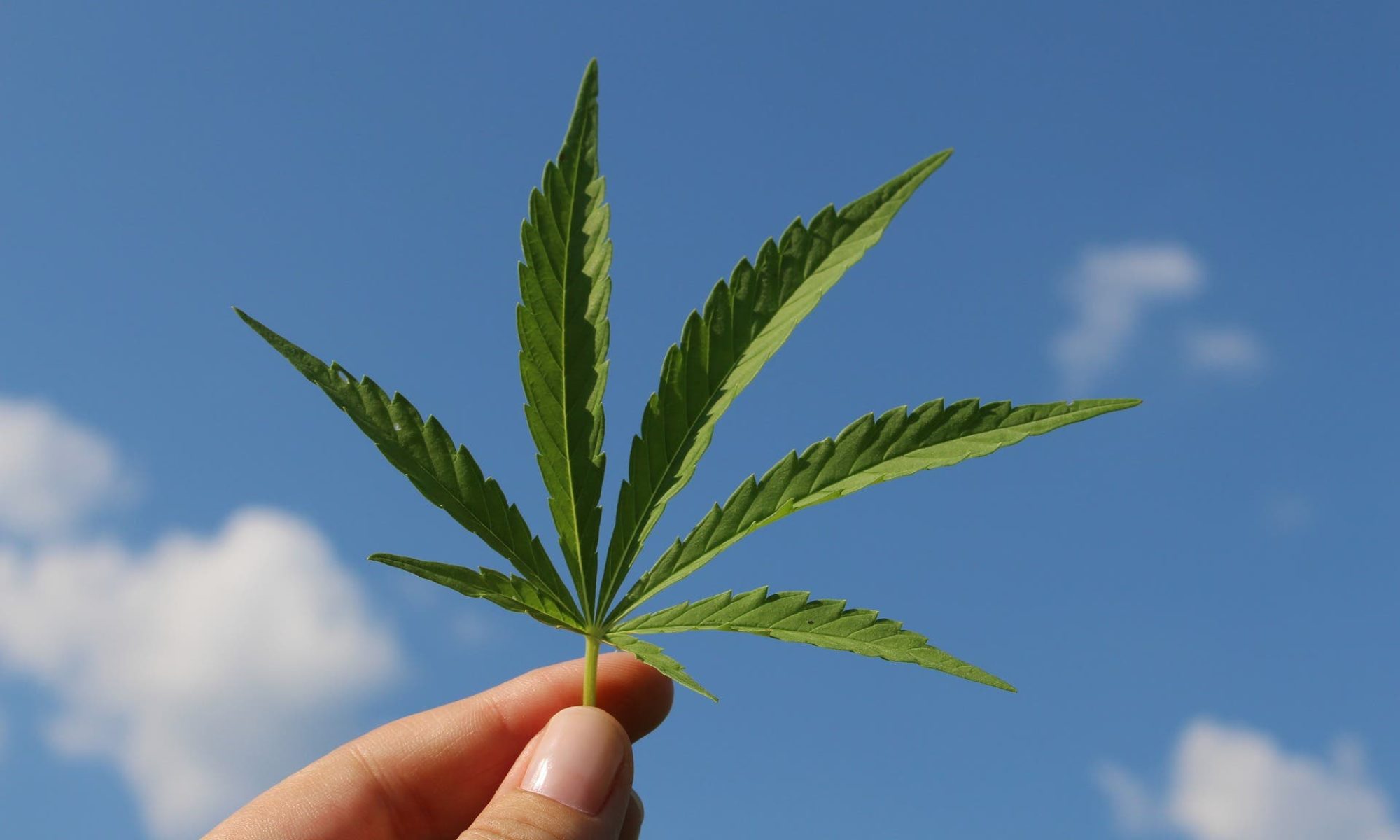


Cultivating Feminized Seeds
Regular, hand-picked cannabis seeds are used by many enthusiasts around the world as a medium for growing an assortment of high-end cannabis strains. Regular cannabis seeds have female and male seeds at an optimal percentage of 50/ fifty. To determine which is which, the seeds must be sown and allowed to germinate in a test piece of tissue that is cut from another portion of the plant. Once the tissue has formed into a clump, the individual pieces are weighed, combined, and then separated from one another using tweezers. The lighter the individual pieces, the higher in value the seed is.
Seeds that have not been tested for their suitability for cultivation will generally be more expensive than those that have undergone testing. Test marijuana seeds are available from many reputable breeders who adhere to strict standards of production. Breeders that cultivate regular cannabis seeds with a high degree of care and attention understand that every bud that leaves the seed bed has passed through several unique stages on its journey to becoming a fully-developed and usable product.
Some of the characteristics that distinguish regular seeds from hybrids are their exceptional tolerance towards temperature fluctuations. All cannabis plants will respond to moisture and heat in differing degrees. While some male cannabis seeds are more sensitive to heat than females, all buds will perform equally well under different growing conditions. All male plants are also significantly more resistant to insects and disease compared to females.
Some of the characteristics that differentiate feminized seeds from regular cannabis seeds are their greater ease of handling, smaller bud size, and reduced danger of cross-contamination by fungi. All feminized plants are made up of a single flower that is encased in a protective capsule. The capsules can be cracked open to reveal the flower inside, and each blossom can then be harvested individually. Because of this, feminized cannabis seeds are less expensive than regular cannabis seeds. However, it should be noted that because the flowers inside the capsules are indistinguishable from the male flowers, cross-contamination between male and female flowers is very rare.
It is not uncommon for breeders to use regular cannabis seeds and then introduce feminized seeds into the breeding process. In most cases, breeders choose a variety of common and hardy plants that they know will produce good results with a feminized plant. For instance, if a particular variety of bushy cannabis plant is very good at producing large blooms, the breeder may want to cross-breed that variety with another variety that produces small blooms. Even though crossing a species with a different species may result in offspring with increased resistance to disease and pests, the resulting plants will still be susceptible to cross-breeding.
Cultivators that wish to use feminized cannabis seeds or mother plants should be sure to get assistance from a local gardening professional. Hybrid varieties can be crossbred with other similar, yet otherwise unwanted plants, resulting in radically altered lines of hybridization. Once crossbreeding has taken place, the result is a plant with characteristics of both parents. Some of the effects of this crossbreeding can be remarkable. Crossbreeding can produce strains with greater tolerance to different pests and disease, as well as increasing the frequency of flowering.
There are some additional considerations for crossbreeding when using feminized seeds or mother plants. First, the mother plants must be properly prepared. Cultivators should remove all “hardy” seeds and those with large numbers of “flower heads” (as many stems have buds). Thinning is also an important step when crossbreeding; the more female plants are grown, the smaller the number of male plants needed to complete the cross. Finally, female plants should be divided on a regular basis, ideally about every three years.
The process of crossbreeding for cultivation is often very useful for creating specific, hard-to-grow or rare phenotypes. Some common traits used for feminized seeds are: hybrid vigor and disease resistance; more predictable and consistent flowering; lower yield; and pest resistance. Many growers are discovering that crossbreeding produces strains that have desirable characteristics not found in their traditional breeding efforts. For example, a trait such as stronger flowering is sometimes found in hybrid strains created by combining a strong-growing Indica with a weak-growing Sativa, which can create a new hybrid that has more potential for robustness.


