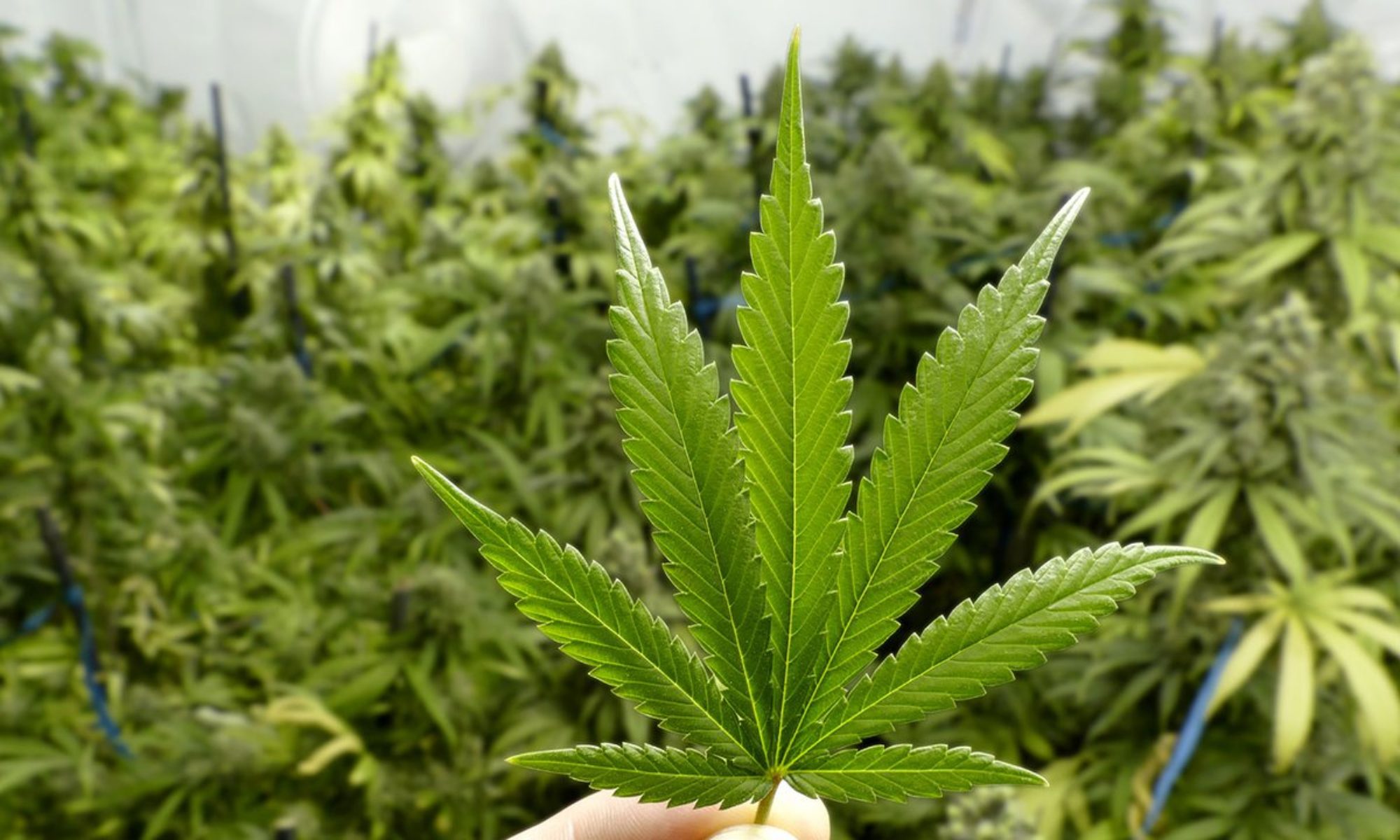


Creating Feminized Marijuana Seeds
Regular marijuana seeds are just like nature intended, a mixture of both female and male with no particular direction. While many modern hybrid seeds have their own special qualities, such as autoflowering and feminized varieties, most regular marijuana seeds still contain all the same properties and traits as other kinds of marijuana. Marijuana is classified as a psychoactive crop, meaning it is used for the purpose of getting high, or “getting in touch,” and not for any medical purpose. Marijuana is also regarded as a gateway drug because it can lead to harder drugs such as cocaine and ecstasy.
When marijuana plants grow up and reach the flowering stage they will produce buds. Buds can be small or large and can be found on the outside of the plant or growing inside the plant. When you buy marijuana, it is in its flowering stage. Marijuana plants reproduce both sexually and asexually. While sexual reproduction is faster and easier, asexual reproduction occurs at a slower rate and produces smaller, more delicate plants.
Because it takes more time for a marijuana plant to grow in its later stages, regular seeds and feminized seeds are easier to grow than asexual plants. Regular marijuana seeds and feminized seeds contain only one copy of the genetic code, making them very difficult to tell apart from each other. The majority of feminized seeds are mated with regular seeds, producing a new plant with two different sets of genes. This process of maturation also produces larger, more potent buds.
All marijuana plants contain both a male and a female plant. During the growing process, these cells fuse and form one single cell called a pistule. Within the picture there are glandular tissue which contains the male sexual hormone, THC, and the ovary which contains the female hormone, estrogen. When the female plants are fully developed and ready to produce seeds, the glands shut down, and the ovary melts. The male plants inside the ovary then resume their tasks.
Marijuana plants cannot be propagated by normal seeds. No matter how many times a marijuana plant has been grown, each and every seed produces only one stem. All flowering plants are in one continuous cycle of growth until the flower bud begins to wilt and drop off. Buds are tiny and fragile, and require strong, skilled hands to harvest. To assist in this process, specialized tools known as “dusters” or “buds rigs” are used to break up the flowers into manageable pieces so they can be harvested easily.
When breeding marijuana with feminized seeds, careful consideration must be given to the genetics of the plants. Some strains are highly aggressive and will produce excessively large amounts of resin. Others have very mild and timid beginnings, making them unsuitable for marijuana breeding experiments. Some varieties have extremely weak roots and require deep, dark soil with lots of nitrogen. Some have extremely efficient reproductive systems but lack the robustness to endure severe climate conditions. The goal is to find a strain that can endure all four.
The most popular type of marijuana strain is the Widow Regular. This strain was bred with the intent of creating a variety that has the best quality produce. Widow Regular produces a large amount of resin during flowering, which makes it an ideal “indica” weed. While it has close genetics to the Sativa, it lacks the vigor of its cousin and is rather rare.
Breeders can also choose to use other types of marijuana strains for their feminized marijuana crops. Many times feminized seeds can cross with regular seeds to create another entirely new crop. There are a number of these cross-breeding programs in operation today, and seeds from hybrid crops are used to create a variety not available any longer in cultivation. Whatever the case, breeders are able to take advantage of whatever resources they have available to them, and with a little help, can successfully create feminized marijuana strains.